
50/30/20 Rule: Is It Still Effective in Today’s Economy?
The 50/30/20 rule has long been a go-to budgeting method for managing personal finances. Its simplicity and structure have helped millions build better money habits. But in today’s rapidly changing economy—marked by rising living costs, student debt, and income instability—many are asking:
Is the 50/30/20 rule still relevant?
In this article, we’ll break down how the rule works, its advantages, modern challenges, and whether it still fits today’s financial reality. We’ll also explore updated strategies and alternatives to help you stay financially secure.
What Is the 50/30/20 Rule?
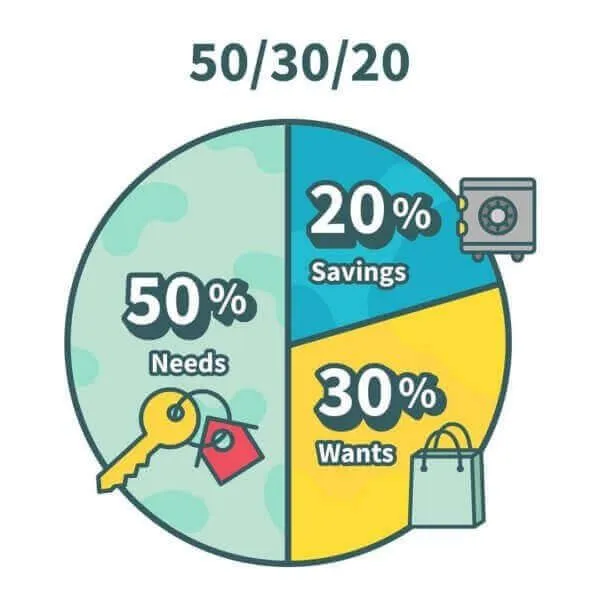
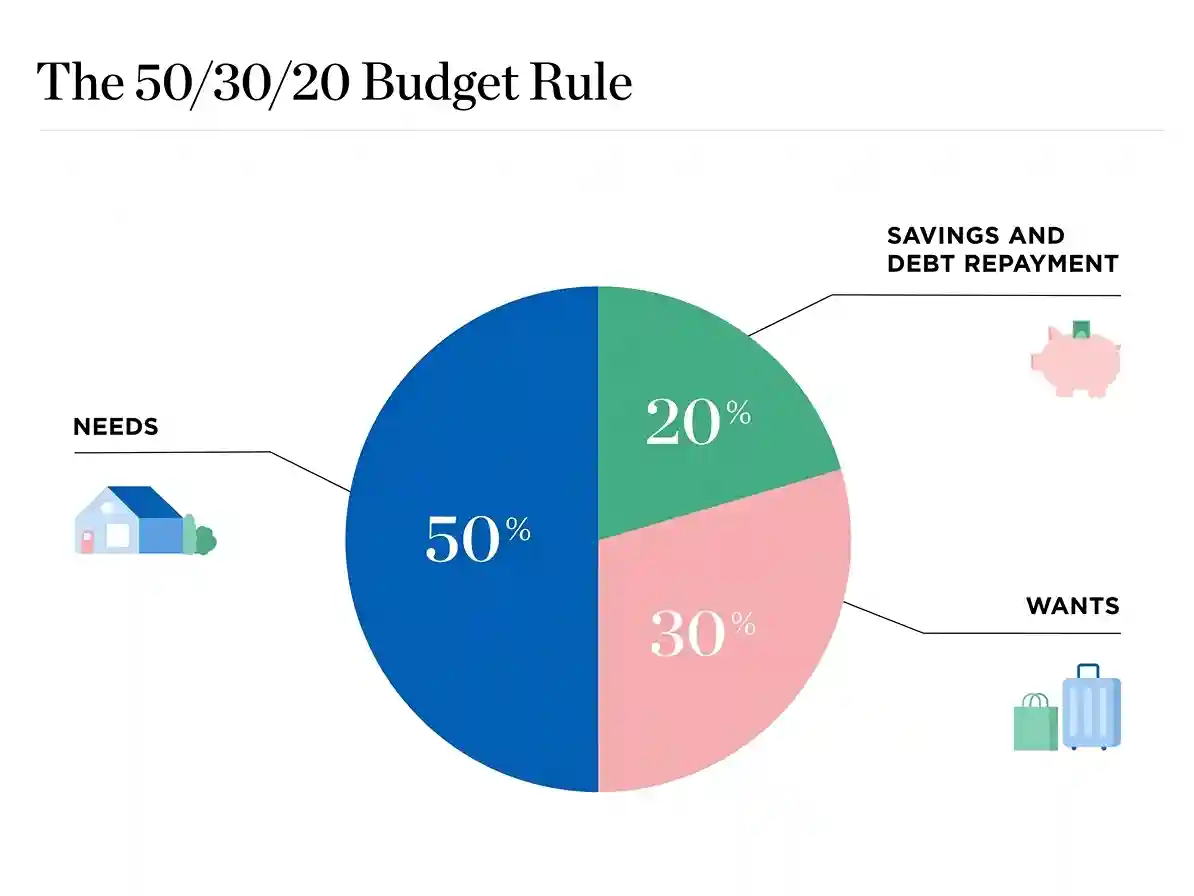
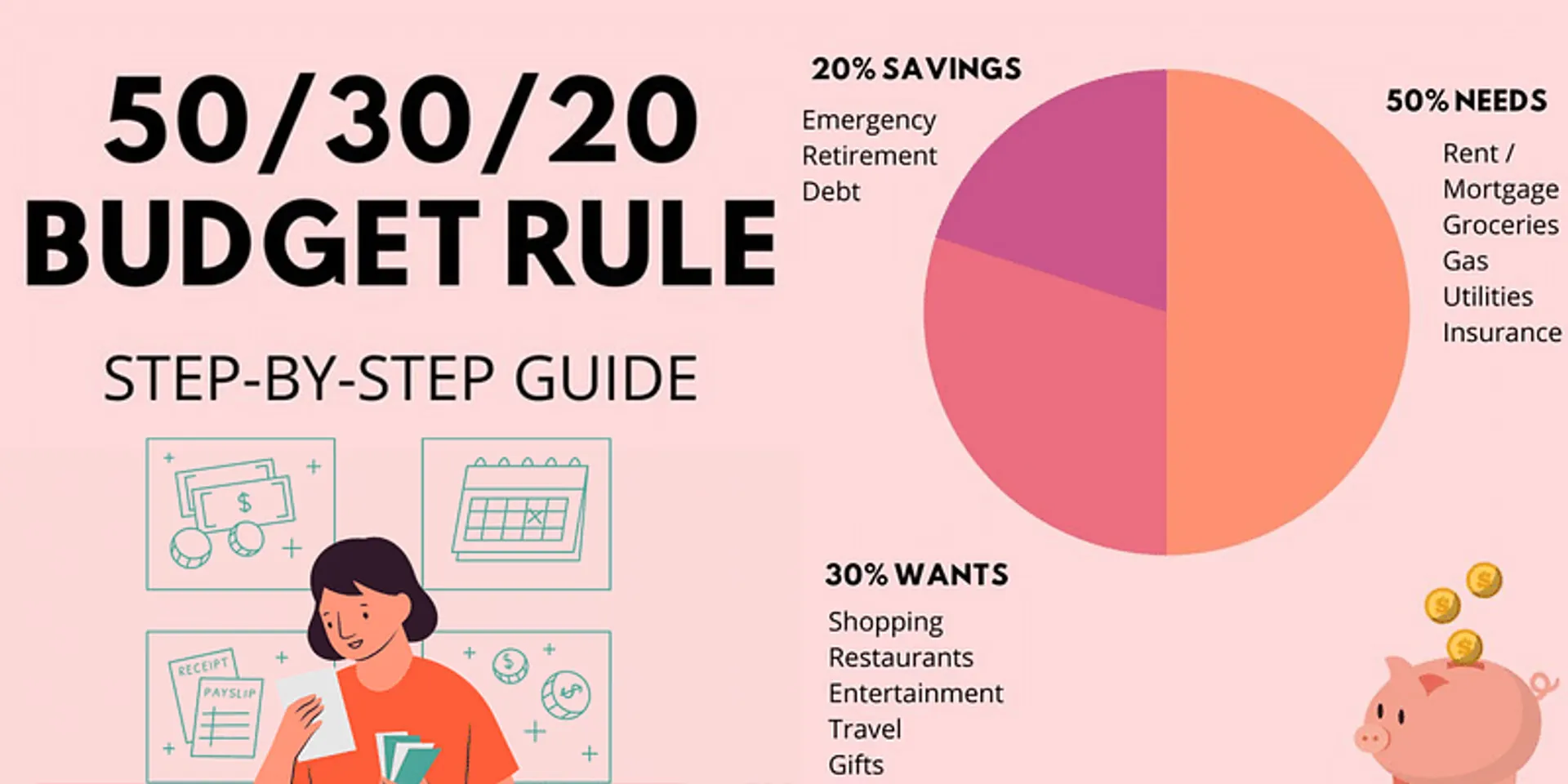
The 50/30/20 rule is a simple budgeting framework that divides your after-tax income into three categories:
- 50% for Needs
Essential expenses like housing, groceries, utilities, healthcare, and transportation. - 30% for Wants
Non-essential spending such as dining out, entertainment, travel, and hobbies. - 20% for Savings and Debt Repayment
Includes emergency funds, retirement savings, investments, and paying off debt.
This method is popular because it offers a clear and balanced approach to managing money without requiring complex calculations.
Why the 50/30/20 Rule Still Works
Despite economic changes, the 50/30/20 rule continues to offer several key benefits:
1. Simplicity and Accessibility
It’s easy to understand and implement, even for beginners with no financial background.
2. Encourages Financial Discipline
By assigning clear spending limits, it helps prevent overspending and promotes mindful money management.
3. Built-In Flexibility
Although the percentages are guidelines, they can be adjusted based on individual circumstances.
4. Promotes Long-Term Financial Security
The 20% savings allocation encourages consistent saving and debt reduction, helping build wealth over time.
Challenges in Today’s Economy
While the rule is effective in theory, modern financial realities can make it harder to follow.
Rising Cost of Living
Housing, healthcare, and education costs have increased significantly. In many cities, rent alone can exceed 50% of income.
Student Debt Burden
Many young professionals carry large student loans, reducing their ability to save or spend freely.
Income Instability
Freelancing, gig work, and contract jobs create unpredictable income, making fixed percentages difficult to maintain.
Technology and Lifestyle Costs
Internet, software, and digital tools are now essential expenses that didn’t exist when the rule was created.
How Millennials and Gen Z Can Adapt the Rule
Younger generations face unique financial challenges, but the 50/30/20 rule can still work—with adjustments.
Customize Your Percentages
Instead of strictly following 50/30/20, consider:
- 60/20/20 if living costs are high
- 50/20/30 if prioritizing savings
Focus on Flexibility
Regularly adjust your budget based on income changes, career growth, or life events.
Use Budgeting Apps
Digital tools can help track spending, categorize expenses, and automate savings.
Align Spending With Values
Many younger individuals prioritize experiences, education, and personal growth—your budget should reflect that.
Modern Alternatives to the 50/30/20 Rule
If the traditional method doesn’t fit your lifestyle, here are some effective alternatives:
Zero-Based Budgeting
Every dollar is assigned a purpose, ensuring complete control over your finances.
Pay Yourself First
Prioritize saving and investing before covering expenses—ideal for building wealth faster.
Envelope System
Use cash for different categories to limit overspending.
70/20/10 Rule
- 70% for expenses
- 20% for savings
- 10% for investments
This approach works well for those focused on aggressive financial growth.
What Financial Experts Say
Many financial experts agree that the 50/30/20 rule is still useful—but not perfect.
- Some view it as a great starting point for beginners
- Others emphasize the need for customization based on individual circumstances
- Critics argue that its simplicity may overlook modern financial complexities
The consensus?
The rule works best when combined with financial education and flexibility.
Final Verdict: Is the 50/30/20 Rule Still Effective?
Yes—but with a caveat.
The 50/30/20 rule remains a powerful foundation for budgeting, especially for those new to personal finance. However, in today’s economy, it should be treated as a flexible guideline rather than a strict formula.
Key Takeaways:
- Use the rule as a starting framework
- Adjust percentages to match your reality
- Stay consistent with saving and tracking
- Combine it with modern tools and strategies
Conclusion: Build a Budget That Works for You
There’s no one-size-fits-all solution in personal finance. The best budget is the one you can stick to consistently.