

Try This 30-Day Money Challenge to Get Smarter and More Successful With Your Money
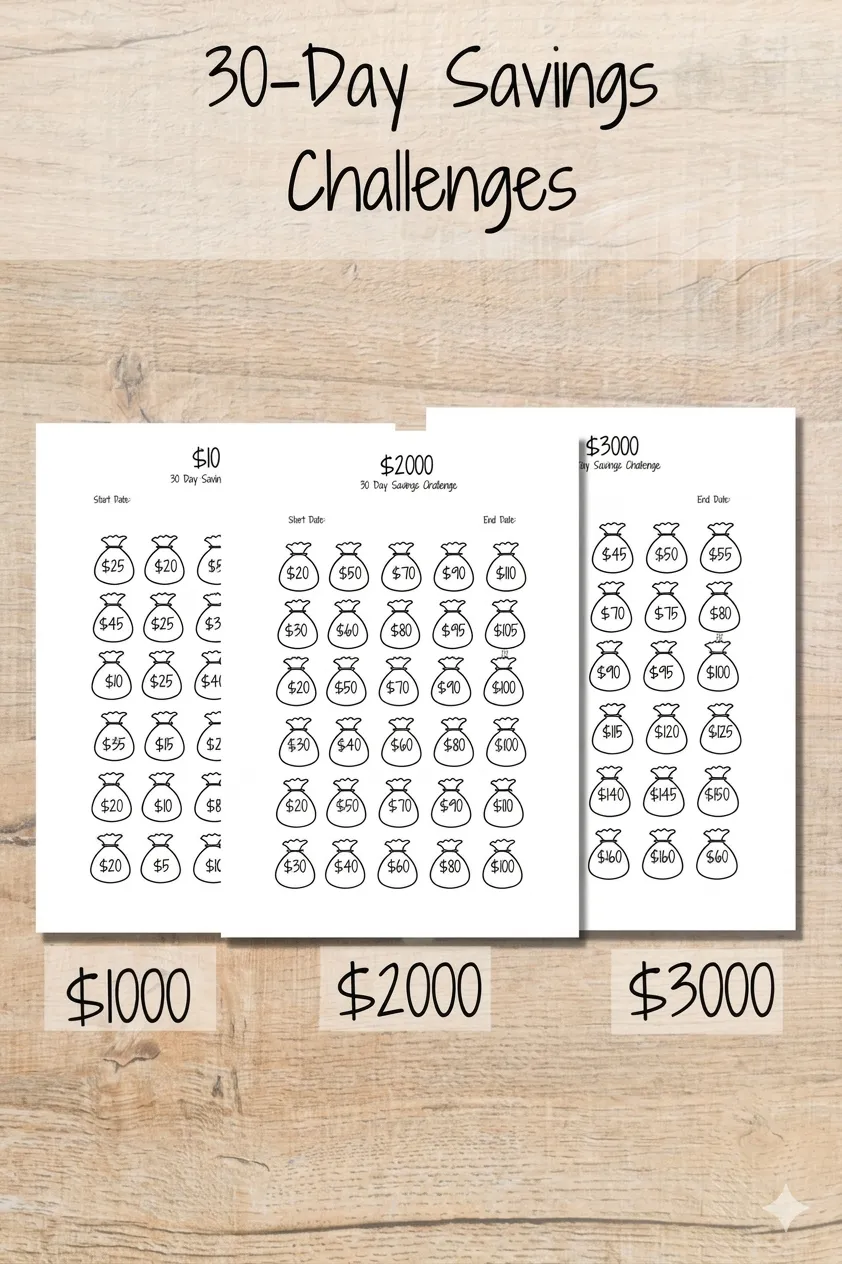
Try this 30-day money challenge to build better money habits, save more, reduce debt, and take control of your financial future step by step.
Improving your financial life doesn’t require a complete overhaul overnight. Sometimes, all you need is a clear plan and consistent daily actions. That’s exactly what this 30-day money challenge is designed to do—help you build better habits, grow your savings, reduce debt, and take control of your financial future.
Whether your goal is to save more, spend smarter, or build long-term wealth, this step-by-step guide will help you make real progress in just one month.
Why a 30-Day Money Challenge Works
Many people struggle with money not because they lack income, but because they lack structure. A 30-day challenge gives you:
- Clear daily actions
- Manageable financial goals
- Momentum through small wins
- Better awareness of your spending habits
By the end of the month, you’ll not only understand your finances better—you’ll also have systems in place to keep improving.
Your 30-Day Money Challenge Plan
Week 1: Build a Strong Financial Foundation
Day 1: Define Your Money Goals
Start by identifying what truly matters to you. Do you want to travel, buy a home, or retire early? Your financial goals should reflect your personal values—not someone else’s expectations.
Day 2: Find an Accountability Partner
Share your goals with someone you trust. Having a friend or family member hold you accountable increases your chances of success.
Day 3: Open a High-Yield Savings Account
Switching to a high-yield account helps your money grow faster with better interest rates.
Day 4: Start Saving for a Short-Term Goal
Pick a realistic goal like a vacation or emergency fund and begin saving—even small amounts matter.
Day 5: Understand Your Debt
Calculate how much you owe and how long it will take to pay it off. Awareness is the first step toward becoming debt-free.
Day 6: Build an Emergency Fund
Aim to save at least 3–6 months of living expenses over time. Start small and stay consistent.
Day 7: Check Your Credit Utilization Ratio
Keep your credit usage below 30% to maintain a healthy credit score.
Week 2: Optimize Your Spending and Saving
Day 8: Audit Your Subscriptions
Cancel unused subscriptions and reduce unnecessary expenses.
Day 9: Automate Your Savings
Set up automatic transfers so saving becomes effortless.
Day 10: Review Your Insurance Coverage
Make sure your policies still meet your needs and offer the best value.
Day 11: Check Your Credit Score
A higher score helps you qualify for better loan terms and lower interest rates.
Day 12: Maximize Membership Benefits
Take full advantage of perks from services you already pay for.
Day 13: Contribute to Your Health Savings Account (HSA)
Enjoy tax advantages while saving for medical expenses.
Day 14: Subscribe to a Finance Newsletter
Stay informed with regular, actionable financial tips.
Week 3: Grow Your Wealth
Day 15: Start Investing
The earlier you invest, the more time your money has to grow through compound interest.
Day 16: Update Your Income Information
Report income increases to your lender to potentially raise your credit limit.
Day 17: Try Reverse Budgeting
Save first, cover essentials, and spend the rest guilt-free.
Day 18: Use Your Tax Refund Wisely
Put extra money toward savings, investments, or debt repayment.
Day 19: Reduce Your Debt Faster
Consider consolidation or balance transfer options to lower interest rates.
Day 20: Compare Prescription Costs
Look for better deals or alternatives to save on healthcare expenses.
Day 21: Diversify Your Income
Explore side hustles or passive income opportunities to boost earnings.
Week 4: Refine and Strengthen Your Financial Strategy
Day 22: Complete a Pending Financial Task
Stop procrastinating—finish that one task you’ve been avoiding.
Day 23: Review Your Credit Card Rewards
Ensure your cards align with your spending habits and offer real value.
Day 24: Evaluate Your Investments
Check for high fees or underperforming assets and adjust if needed.
Day 25: Calculate Your Savings Rate
Understand how much of your income you’re actually saving each month.
Day 26: Find Discounts on Everyday Spending
Use memberships and deals to reduce costs on things you already buy.
Day 27: Increase Your Retirement Contributions
Gradually raise your contributions—even 1% can make a big difference.
Day 28: Explore Dividend Stocks
Add income-generating investments to your portfolio if appropriate.
Day 29: Create a Conscious Spending Plan
Focus on four key areas:
- Fixed costs
- Savings
- Investments
- Guilt-free spending
Day 30: Read a Personal Finance Book
Keep learning and improving your financial knowledge long after the challenge ends.
Key Benefits of This Money Challenge
By completing this 30-day plan, you will:
- Gain clarity about your financial situation
- Build consistent saving habits
- Reduce unnecessary expenses
- Create a plan to eliminate debt
- Start investing for long-term growth
Most importantly, you’ll develop a healthier relationship with money.
Frequently Asked Questions
1. Can I start this challenge at any time?
Yes! You don’t need to wait for a new month. Start today and follow the steps at your own pace.
2. How much money do I need to begin?
You can start with any amount. The key is consistency, not how much you begin with.
3. What if I miss a day?
Don’t worry. Simply continue where you left off. Progress matters more than perfection.
4. Is this challenge suitable for beginners?
Absolutely. This plan is designed to be simple, practical, and beginner-friendly.
5. How long before I see results?
You may notice improvements within weeks, especially in your spending awareness and saving habits.
Conclusion: Start Your Financial Transformation Today
Taking control of your money doesn’t have to be overwhelming. With this 30-day money challenge, you can build smarter habits one day at a time.
Remember, financial success isn’t about making huge changes overnight—it’s about small, consistent actions that lead to lasting results.
Start today, stay committed, and watch how your financial confidence and success grow over time