

Top Ways to Reduce Daily Stress and Feel More in Control
Stress is a normal part of life, but when it becomes constant, it can affect both your physical and mental health. Ongoing stress may contribute to fatigue, poor sleep, anxiety, muscle tension, and even increase the risk of long-term health problems.
The good news is that you don’t need drastic changes to feel better. Simple daily habits and quick stress-relief techniques can help calm your body, clear your mind, and improve your overall well-being.
Here are the top ways to reduce daily stress and feel more balanced.
Why Managing Stress Matters
Your body’s stress response is designed to protect you in difficult situations. When you feel threatened or overwhelmed, your body releases stress hormones that increase heart rate, blood pressure, and alertness.
This “fight or flight” response can be helpful in short bursts. However, chronic stress can keep your body in a constant state of tension.
Long-Term Effects of Chronic Stress
Ongoing stress may:
- Increase inflammation in the body
- Affect sleep quality
- Weaken the immune system
- Raise the risk of heart problems
- Contribute to anxiety and burnout
Managing stress regularly helps your body return to a healthier, calmer state.
1. Practice Deep Breathing Exercises
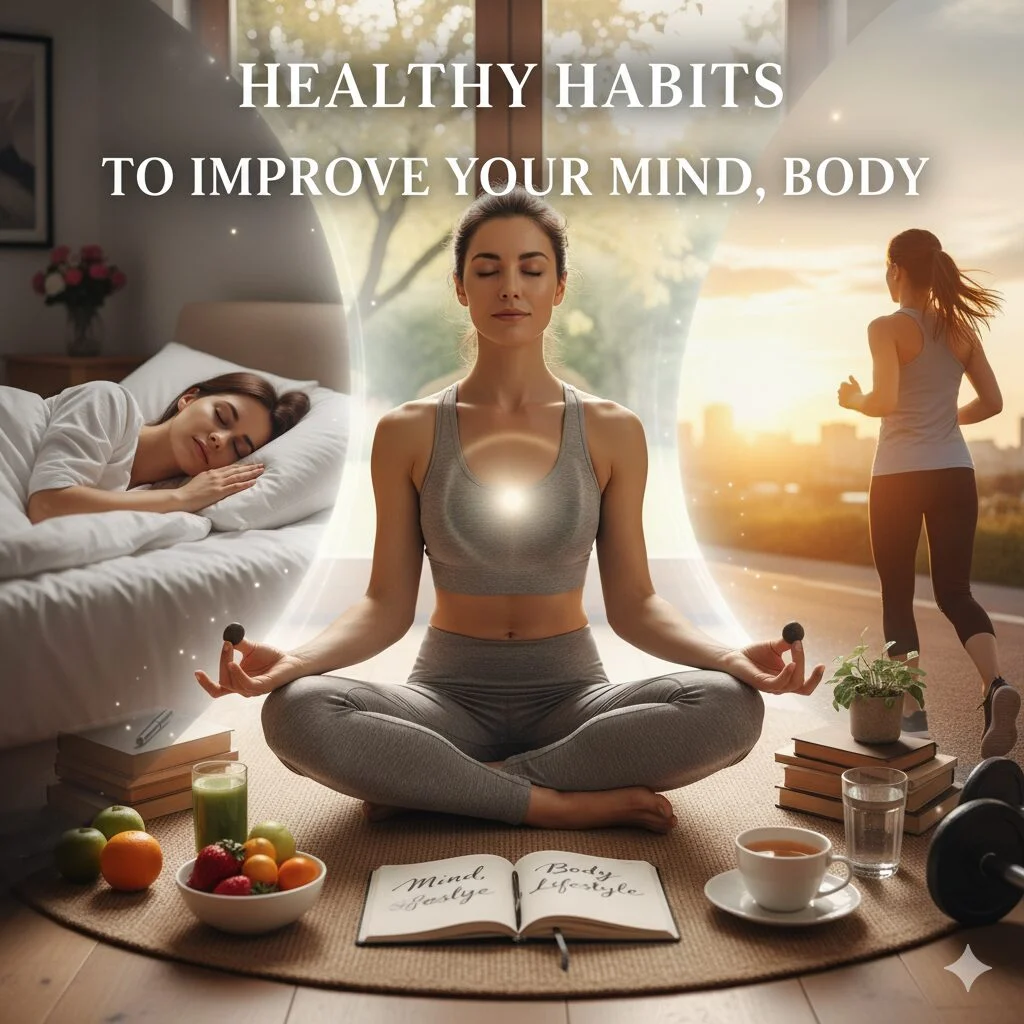
One of the fastest ways to calm your nervous system is through slow, intentional breathing.
Why It Works
Deep breathing can:
- Slow your heart rate
- Reduce muscle tension
- Lower stress hormones
Simple Breathing Technique
Try this:
- Inhale slowly for 4 seconds
- Hold for 4 seconds
- Exhale for 4–6 seconds
Repeat for 1–2 minutes.
Even 10 slow breaths can help you feel more grounded.
2. Stretch to Release Physical Tension
Stress often causes your muscles to tighten, especially in your neck, shoulders, and back.
Quick Stress-Relief Stretch
- Stand or sit comfortably
- Inhale and raise your arms overhead
- Interlace your fingers and stretch upward
- Exhale and slowly lower your arms
Repeat 3–5 times.
Stretching can help relax your body and improve circulation.
3. Take a Mindfulness Break
Mindfulness helps you focus on the present moment instead of getting lost in stressful thoughts.
Easy Ways to Practice Mindfulness
- Sip tea slowly and notice the taste and warmth
- Take a mindful shower
- Sit quietly and notice your breathing
- Pay attention to your surroundings during a walk
Benefits
- Calms racing thoughts
- Improves focus
- Reduces emotional overwhelm
Even a few minutes of mindfulness can make a difference.
4. Go for a Brisk Walk
Walking is one of the best natural ways to reduce stress. Movement helps release built-up tension and supports your mood.
Why Walking Helps
- Lowers stress hormones
- Boosts endorphins
- Improves circulation
- Clears your mind
Quick Tip
A 10-minute walk can help during stressful moments, while regular walking supports long-term mental health.
5. Get Enough Sleep
Sleep and stress are closely connected. Poor sleep can make you feel more anxious, irritable, and overwhelmed.
Why Sleep Matters
Getting enough rest helps:
- Improve emotional resilience
- Boost energy
- Support better decision-making
Sleep Tips
- Aim for at least 7 hours of sleep
- Keep a consistent sleep schedule
- Reduce screen time before bed
- Create a relaxing nighttime routine
Better sleep makes it easier to cope with daily challenges.
6. Reduce Loud Noise and Overstimulation

Constant noise can increase stress levels and make it harder to think clearly.
How to Create a Calmer Environment
- Lower background noise when possible
- Use earplugs or noise-canceling headphones
- Spend time in quiet spaces
- Limit unnecessary notifications
Reducing sensory overload can help your mind feel more at ease.
7. Listen to Soothing Music
Music can be a powerful tool for relaxation when you’re feeling tense or overwhelmed.
Benefits of Relaxing Music
- Helps slow breathing
- Improves mood
- Supports mental calmness
Best Practice
Choose calming music and truly focus on listening instead of multitasking.
Music can help shift your mind away from stress.
8. Challenge Negative Thoughts
Stress often grows when negative thoughts spiral out of control. Learning to reframe your thoughts can help reduce anxiety.
Try This Technique
For every stressful thought, identify:
- One thing that is going well
- One thing you can control
- One positive outcome that’s possible
Why It Helps
Positive thinking can:
- Improve resilience
- Reduce mental tension
- Help you feel more hopeful
A small shift in perspective can change how you feel.
9. Practice Positive Self-Talk
The way you speak to yourself matters. Harsh self-criticism can increase stress, while supportive self-talk can calm your mind.
Helpful Phrases to Use
- “I can handle this.”
- “I’m doing my best.”
- “This feeling will pass.”
- “I’ve gotten through hard things before.”
Being kind to yourself is a powerful stress-management habit.
10. Ask for Support When You Need It
You don’t have to handle everything alone. Talking to someone you trust can help relieve emotional pressure.
Reach Out To:
- A friend
- A family member
- A counselor or therapist
Why It Helps
Support can:
- Help you feel less alone
- Offer perspective
- Reduce emotional burden
Asking for help is a strength, not a weakness.
Bonus Tips for Long-Term Stress Reduction
For lasting stress relief, support your overall health with:
- Regular exercise
- A balanced diet
- Social connection
- Time outdoors
- Relaxation practices like meditation
Healthy daily habits make you more resilient over time.
Final Thoughts
Stress is part of life, but it doesn’t have to control your well-being. By using simple daily strategies like breathing exercises, movement, better sleep, and mindfulness, you can reduce stress and feel more in control.
Start with one or two habits that feel realistic for you. Small changes practiced consistently can have a powerful impact on your mental and physical health.