

Daily Habits: How Small Actions Lead to Big Changes
Big life changes rarely happen overnight. More often, real transformation comes from small, consistent actions repeated day after day. Whether your goal is better health, stronger finances, improved productivity, or personal growth, your daily habits are the foundation that shapes your future.
The simple things you do each day — even actions that seem insignificant — can create powerful long-term results. This is the true power of daily habits.
In this guide, you’ll learn how small actions lead to big changes, why habits matter, and how to build routines that support lasting success.
What Are Daily Habits?
Daily habits are the small actions and routines you repeat regularly. These behaviors may seem minor, but over time they shape your mindset, health, productivity, and overall quality of life.
Examples of daily habits include:
- Making your bed in the morning
- Drinking enough water
- Going for a short walk
- Reading for 10 minutes
- Journaling before bed
Positive daily habits create structure, while negative habits can hold you back without you even noticing.
Why Daily Habits Matter
Your habits influence nearly every area of your life. The choices you make every day become the patterns that determine your long-term outcomes.
Benefits of Positive Daily Habits
Healthy daily habits can help you:
- Improve focus and productivity
- Build self-discipline
- Reduce stress
- Improve physical health
- Boost confidence
- Create more balance in life
Small actions may feel insignificant in the moment, but over time they create meaningful change.
The Psychology Behind Habit Formation
Understanding how habits work can make it easier to build routines that last.
The Habit Loop: Cue, Routine, Reward
Most habits follow a simple cycle:
- Cue: A trigger that starts the behavior
- Routine: The action itself
- Reward: The positive result or feeling
For example:
- Cue: Waking up
- Routine: Drinking water
- Reward: Feeling refreshed
When repeated consistently, your brain starts to automate the behavior.
The Role of Dopamine
Dopamine is a brain chemical linked to motivation and reward. When you complete a small habit and feel good afterward, your brain is more likely to repeat it.
This is why small wins matter. Every positive action helps reinforce your new routine.
The Power of the Compounding Effect
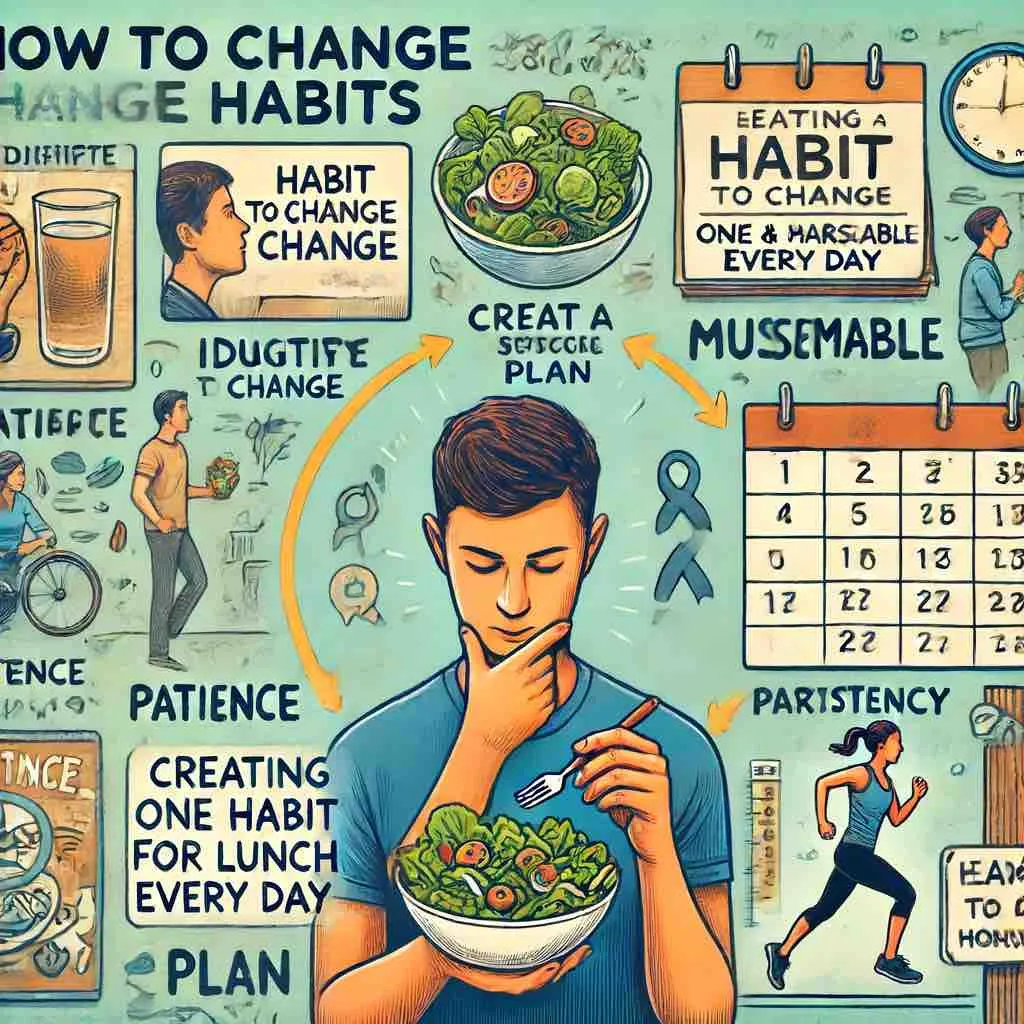
Daily habits work like compound interest. Small efforts may seem minor at first, but over time they create noticeable results.
Real-Life Example
Saving just a small amount of money each day can lead to:
- A growing emergency fund
- Less financial stress
- More confidence
The same principle applies to:
- Fitness
- Learning
- Relationships
- Career growth
Consistency matters more than intensity.
How to Build Daily Habits That Stick
Creating lasting habits doesn’t require a complete life overhaul. It starts with simple, realistic steps.
1. Align Habits with Your Goals
Your daily habits should support the future you want to create.
Ask yourself:
- What do I want to improve?
- What small action supports that goal?
Examples:
- Want better health? Start walking daily.
- Want to grow professionally? Read or learn for 15 minutes.
- Want less stress? Practice breathing exercises.
2. Start Small
One of the biggest mistakes people make is trying to change too much at once.
Use the Two-Minute Rule
Start with a habit that takes two minutes or less:
- Read one page
- Do five push-ups
- Write one sentence in a journal
Small habits feel manageable and are easier to repeat.
3. Use Habit Stacking
Habit stacking means attaching a new habit to an existing routine.
Examples:
- After brushing your teeth, stretch for two minutes
- After making coffee, write your daily goals
- After lunch, take a short walk
This makes new habits easier to remember.
4. Track Your Progress
Tracking your habits can help you stay motivated and accountable.
Try:
- A habit tracker app
- A simple checklist
- A calendar
Seeing your progress builds momentum.
5. Plan for Obstacles
Life is unpredictable. Missing one day doesn’t mean failure.
Be Flexible
- Prepare backup plans for busy days
- Focus on getting back on track quickly
- Avoid perfectionism
Consistency over time matters more than being perfect.
Common Mistakes to Avoid
Building habits takes patience. Avoid these common mistakes:
Trying to Change Too Much at Once
Start with one or two habits instead of overloading yourself.
Expecting Fast Results
Habits take time to show results. Stay patient and trust the process.
Relying Only on Motivation
Motivation comes and goes. Build systems and routines that make habits easier to follow.
Being Too Hard on Yourself
Progress is rarely perfect. Focus on consistency, not guilt.
Daily Habits That Improve Every Area of Life
Here are examples of simple habits that can create meaningful improvements:
Health and Wellness
- Drink more water
- Stretch in the morning
- Walk daily
- Prioritize sleep
Personal Growth
- Read 10–15 minutes a day
- Practice gratitude
- Journal regularly
Career and Productivity
- Time block important tasks
- Set one daily priority
- Reduce distractions
Relationships
- Express appreciation
- Check in with loved ones
- Practice small acts of kindness
These habits may seem small, but their long-term impact can be powerful.
How to Break Bad Habits
Making space for better habits often means replacing unhelpful ones.
Step 1: Identify Triggers
Notice:
- When bad habits happen
- What emotions or situations trigger them
Step 2: Replace, Don’t Just Remove
Swap bad habits for better alternatives:
- Scroll less, read more
- Snack less, drink water first
- Procrastinate less, start with a 2-minute task
Step 3: Be Aware and Patient
Breaking habits takes time. Self-awareness and consistency are key.
Final Thoughts
Daily habits may seem small, but they are one of the most powerful tools for creating long-term change. The small choices you make each day shape your health, mindset, finances, relationships, and future success.
You don’t need to transform your life overnight. Start with one small habit today, stay consistent, and trust the process.
Over time, those small actions will lead to big changes.