
6 Ways to Start Investing on a Budget

Introduction
Think you need a lot of money to start investing? Think again.
The truth is, you don’t need a large income or huge savings to begin building wealth. With the right strategies, even a small budget can go a long way. The key is to invest smartly, minimize costs, and stay consistent over time.
In this guide, you’ll discover 6 practical ways to start investing on a budget and grow your money without breaking the bank.
Start With a Strong Foundation
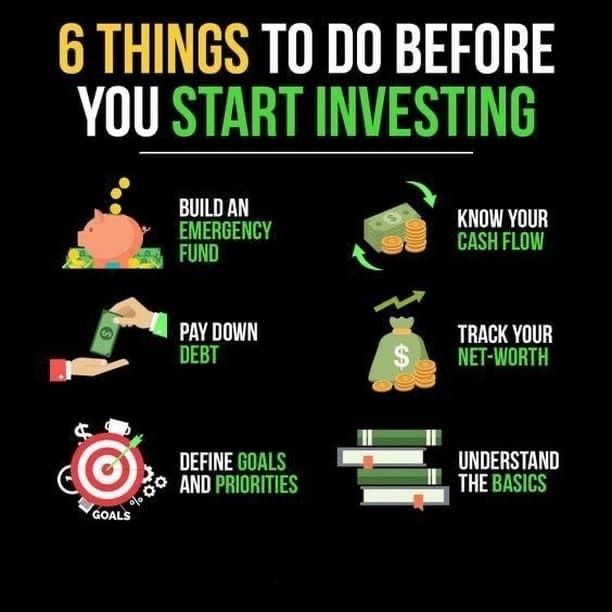
Before you begin investing, make sure you have an emergency fund in place. Ideally, this should cover 3 to 6 months of living expenses.
Keeping this money in a high-yield savings account ensures you’re financially protected while allowing your investments to grow without interruption.
1. Invest in Index Funds
One of the easiest and most cost-effective ways to start investing is through index funds.
These funds track the performance of major market indexes like the S&P 500, giving you exposure to a wide range of companies in a single investment.
Why index funds are great:
- Low fees (often no minimum investment)
- Built-in diversification
- Strong long-term growth potential
This makes them ideal for beginners with limited capital.
2. Diversify With Low-Cost ETFs
Exchange-Traded Funds (ETFs) are another affordable way to build a diversified portfolio.
ETFs work similarly to index funds but offer more flexibility. You can invest in specific sectors like technology, real estate, or large-cap companies.
Key benefits:
- Low expense ratios
- Easy to buy and sell like stocks
- Wide range of investment options
For budget investors, choosing low-cost ETFs helps maximize returns while minimizing fees.
3. Buy Zero-Commission Stocks
Many modern brokerage platforms allow you to trade stocks without paying commissions.
Platforms like Charles Schwab, Fidelity Investments, and Robinhood offer commission-free trading, making it easier to invest small amounts.
Advantages:
- No transaction fees
- Full control over your portfolio
- Ability to invest gradually
This approach allows you to build a personalized investment portfolio over time.
4. Invest in Fractional Shares
Some stocks can be very expensive, but fractional shares make them accessible.
Instead of buying a full share, you can invest a small amount of money and own a portion of a stock.
Why this matters:
- Start investing with as little as a few dollars
- Access high-value stocks
- Build a diversified portfolio on a budget
Fractional investing is perfect for beginners who want flexibility.
5. Use Micro-Investing Apps
Micro-investing apps help you invest automatically using small amounts of money.
Apps like Acorns round up your daily purchases and invest the spare change.
How it works:
- Spend $3.50 → rounded to $4.00
- $0.50 gets invested automatically
This makes investing effortless and consistent, even if you’re on a tight budget.
6. Reinvest Dividends (DRIPs)
Dividend Reinvestment Plans (DRIPs) allow you to automatically reinvest the dividends you earn from stocks.
Instead of receiving cash payouts, your dividends are used to buy more shares of the same stock.
Benefits of DRIPs:
- Compounding growth over time
- No need for additional capital
- Fully automated investing
This strategy helps your investments grow faster without extra effort.
Bonus Tip: Take Advantage of Retirement Accounts
If available, consider contributing to employer-sponsored retirement plans or individual accounts.
For example:
- A 401(k) plan (common in the U.S.)
- An IRA (Individual Retirement Account)
These accounts allow you to invest regularly and benefit from long-term compounding.
The Bottom Line
Starting your investment journey doesn’t require a large amount of money—just the right mindset and strategy.
By using low-cost options like index funds, ETFs, and automated investing tools, you can begin building wealth even on a tight budget.
The most important step is to start now. The earlier you invest, the more time your money has to grow.
Conclusion
Investing on a budget is not only possible—it’s powerful.
With consistency, patience, and smart choices, small investments today can turn into significant wealth in the future.
Don’t wait for the “perfect” time. Start with what you have and let your money work for you.