

Long-Term Investments vs. Short-Term Investments: Which Strategy Is Best for You?
Choosing between long-term and short-term investments is one of the most important decisions in building a successful financial plan. Each strategy offers unique advantages, risks, and opportunities depending on your goals, risk tolerance, and time horizon.
Understanding the difference between long-term and short-term investments can help you make smarter financial decisions, grow your wealth, and avoid unnecessary risk.
What Are Short-Term and Long-Term Investments?
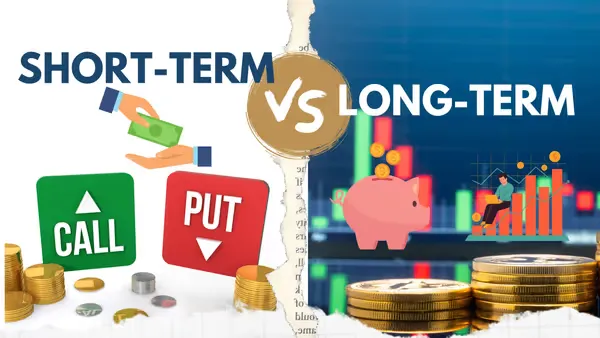
The main difference between short-term and long-term investments is how long you plan to hold them.
Short-term investments:
- Typically held for less than one year
- Focused on quick returns
- Often involve active buying and selling
- Higher market timing risk
Long-term investments:
- Usually held for more than one year
- Focused on steady growth over time
- Benefit from compounding returns
- Lower short-term market stress
Both strategies can involve stocks, bonds, funds, or other assets, but how you use them depends on your financial objectives.
What Are Short-Term Investments?

Short-term investing is designed to generate profits in a shorter time frame. Investors may buy assets expecting a quick increase in price and sell once they reach a target return.
Common short-term investments:
- High-yield savings accounts
- Certificates of deposit (short-term CDs)
- Money market funds
- Short-term bond funds
- Stocks for swing trading or momentum trades
Benefits of short-term investing:
- Faster access to profits
- Greater liquidity
- Useful for near-term financial goals
Risks of short-term investing:
- Higher market volatility
- Requires active monitoring
- More emotional stress
- Potential losses from poor timing
- Higher taxes on short-term gains
Short-term investing can be rewarding, but it often requires experience and a higher tolerance for risk.
What Are Long-Term Investments?
Long-term investing focuses on building wealth gradually over time. This strategy is ideal for retirement, major life goals, and financial security.
Common long-term investments:
- Index funds
- ETFs
- Individual stocks
- Mutual funds
- Retirement accounts
- Real estate
Benefits of long-term investing:
- More time to recover from market downturns
- Compounding growth over time
- Lower stress and less frequent trading
- Lower tax rates on long-term capital gains
Risks of long-term investing:
- Slower returns in the short run
- Exposure to inflation if poorly diversified
- Requires patience and discipline
Historically, long-term investing has been one of the most effective ways to grow wealth.
Key Differences Between Long-Term and Short-Term Investing
| Factor | Short-Term Investments | Long-Term Investments |
|---|---|---|
| Holding Period | Less than 1 year | More than 1 year |
| Risk Level | Higher | Lower overall |
| Return Speed | Faster potential gains | Gradual growth |
| Tax Impact | Higher taxes | Lower capital gains tax |
| Effort Required | High | Low to moderate |
| Best For | Immediate goals | Wealth building |
Pros and Cons of Short-Term Investing
Pros:
- Opportunity for quick profits
- Flexibility and liquidity
- Useful for short-term goals like travel, emergency purchases, or planned expenses
Cons:
- Higher risk of losses
- Requires frequent monitoring
- Greater emotional decision-making
- Higher taxes on gains
Short-term investing may suit experienced investors who understand market trends and can manage risk.
Pros and Cons of Long-Term Investing
Pros:
- Historically more stable growth
- Lower stress and fewer transactions
- Better tax efficiency
- Ideal for retirement and future planning
Cons:
- Slower results
- Requires patience
- Can feel frustrating during market downturns
Long-term investing is generally more suitable for most people because it focuses on consistency rather than speculation.
Which Investment Strategy Is Right for You?
The best investment strategy depends on your goals, financial situation, and comfort with risk.
Choose short-term investments if:
- You need money within the next year
- You are comfortable with higher risk
- You actively follow markets
Choose long-term investments if:
- You are saving for retirement
- You want steady wealth growth
- You prefer lower stress investing
Consider a balanced approach:
Many investors benefit from combining both:
- Use long-term investments as the foundation of your portfolio
- Add short-term investments for flexibility or extra growth opportunities
A balanced strategy can help you manage risk while still taking advantage of opportunities.
Tips for Smarter Investing
Build a strong investment plan:
- Set clear financial goals
- Understand your time horizon
- Diversify your portfolio
- Avoid emotional decisions
- Review your strategy regularly
Stay consistent:
Successful investing is often about discipline, not timing the market.
Frequently Asked Questions
Are long-term investments safer than short-term investments?
Generally, yes. Long-term investments allow more time to recover from market volatility.
Can beginners do short-term investing?
Beginners can, but it often carries more risk and requires more knowledge and time.
Which investment has better returns?
Short-term investing may offer quick gains, but long-term investing historically delivers more reliable wealth growth.
Is it okay to combine both strategies?
Yes. Many successful investors use a mix of short-term and long-term investments.
Final Thoughts
When comparing long-term investments vs. short-term investments, the right choice depends on your goals and financial comfort level. For most people, long-term investing is the smarter path because it offers stability, lower taxes, and the power of compound growth.
Short-term investments can still play a role, especially for immediate goals or strategic opportunities. The key is to create a balanced investment plan that supports both your short-term needs and long-term financial future.