
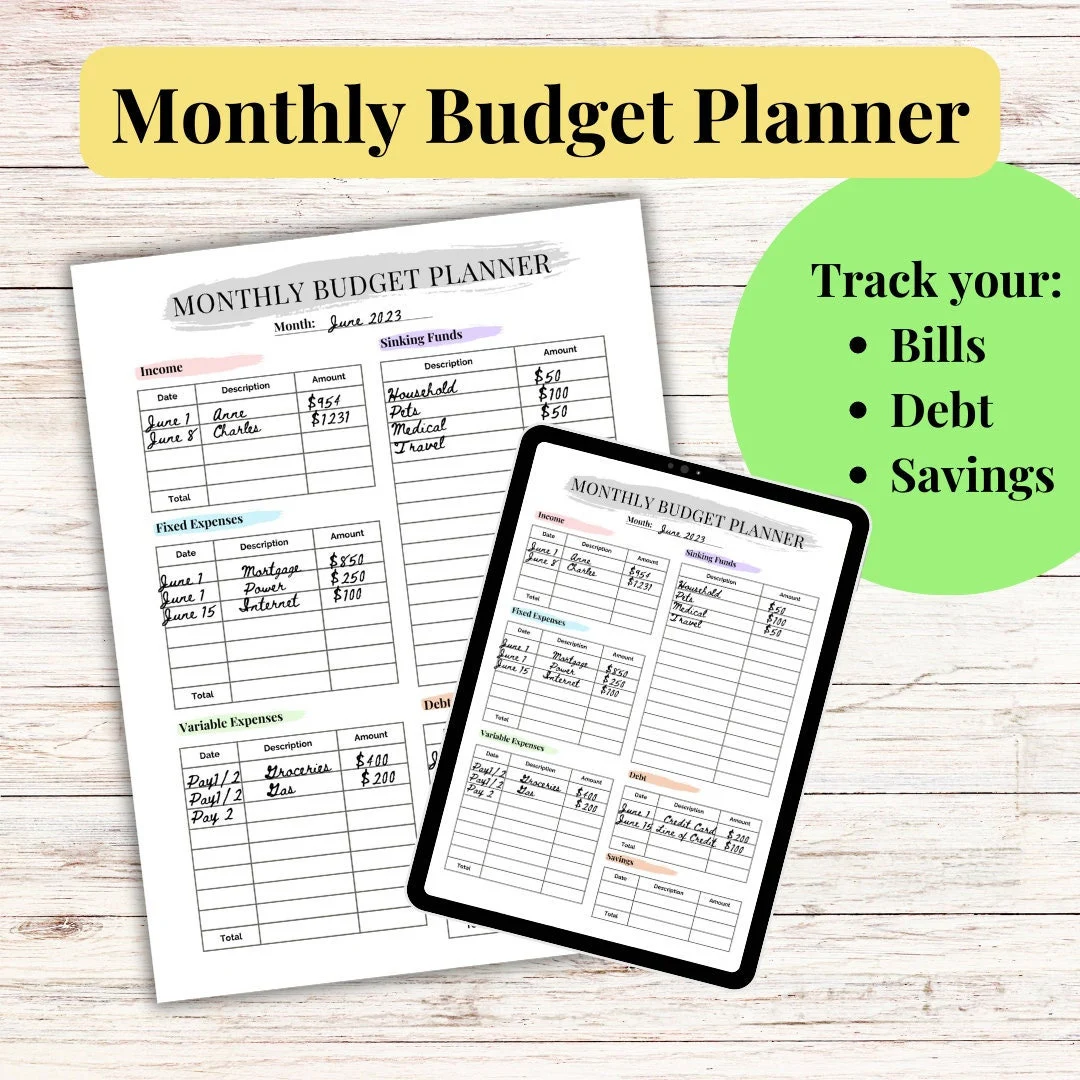
Monthly Budget Templates: A Simple Way to Better Manage Your Finances
Managing money effectively starts with understanding where your income goes each month. A monthly budget template is one of the easiest and most practical tools to help you take control of your finances, reduce unnecessary spending, and work toward your savings goals.
Whether you want to pay off debt, build an emergency fund, or simply feel less stressed about money, using a monthly budget template can help you create a clear financial plan and stick to it.
What Is a Monthly Budget Template?
A monthly budget template is a tool that helps you organize your income, expenses, savings, and debt over a monthly period. It can be a:
- Spreadsheet
- Printable worksheet
- Budgeting app
- Finance software tool
The purpose is simple: to give you a clear picture of your money so you can make smarter financial decisions.
Why Use a Monthly Budget Template?
A budget template helps you build better financial habits and stay accountable.
Key benefits include:
- Tracking income and expenses
- Identifying spending leaks
- Setting realistic savings goals
- Reducing debt faster
- Planning for bills and irregular costs
- Improving financial confidence
Budgeting gives you control instead of uncertainty.
Main Components of a Monthly Budget Template
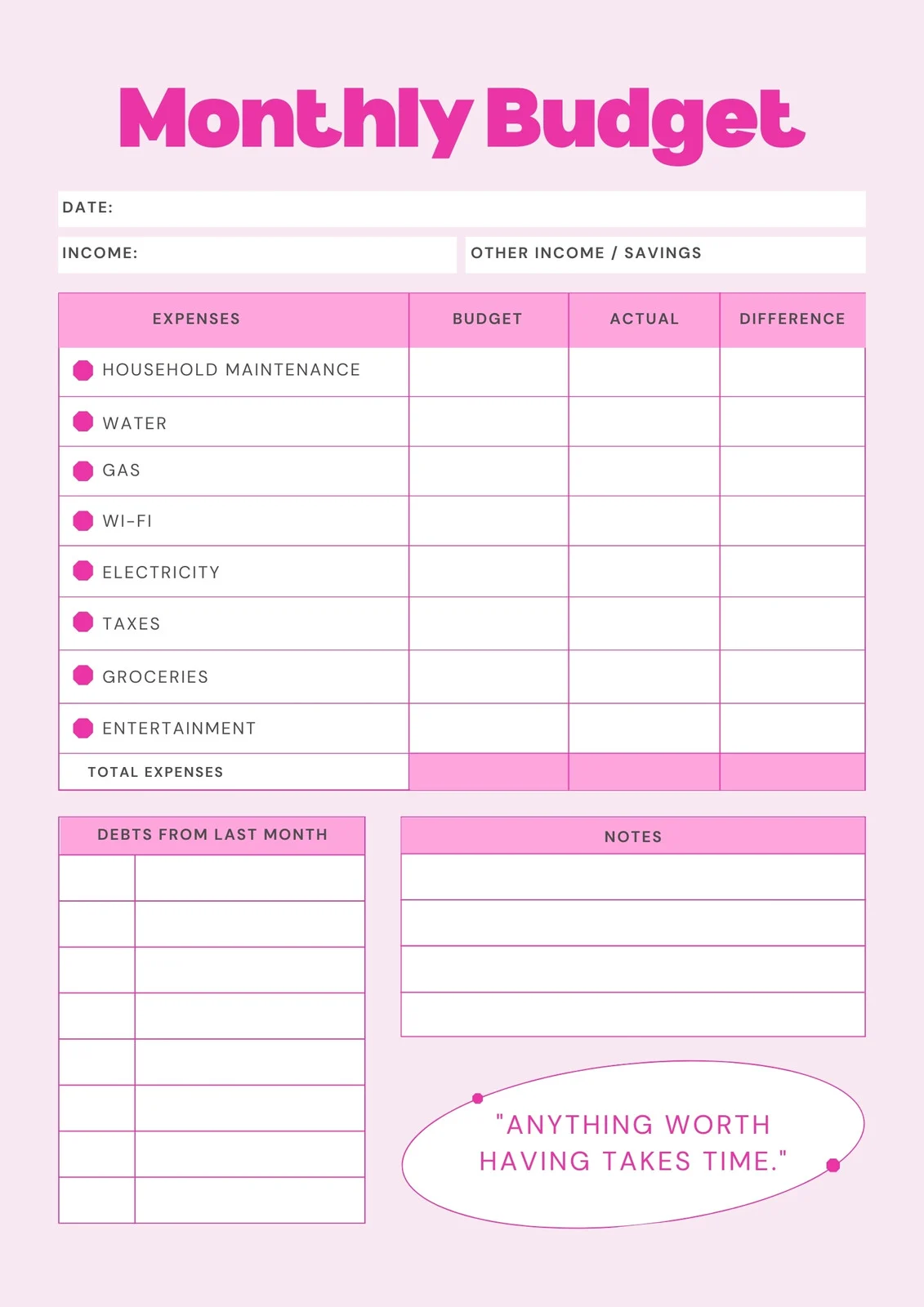
A useful monthly budget template should include four essential sections.
1. Income
List all sources of money coming in:
- Salary
- Freelance income
- Bonuses
- Side hustle earnings
- Investment income
2. Expenses
Track all monthly spending, including:
- Rent or mortgage
- Utilities
- Groceries
- Transportation
- Insurance
- Entertainment
3. Savings
Set aside money for:
- Emergency fund
- Retirement
- Vacation
- Home purchase
- Education
4. Debt
Include payments for:
- Credit cards
- Personal loans
- Student loans
- Mortgage payments
Tracking these categories helps you understand your financial situation clearly.
How to Use a Monthly Budget Template Effectively
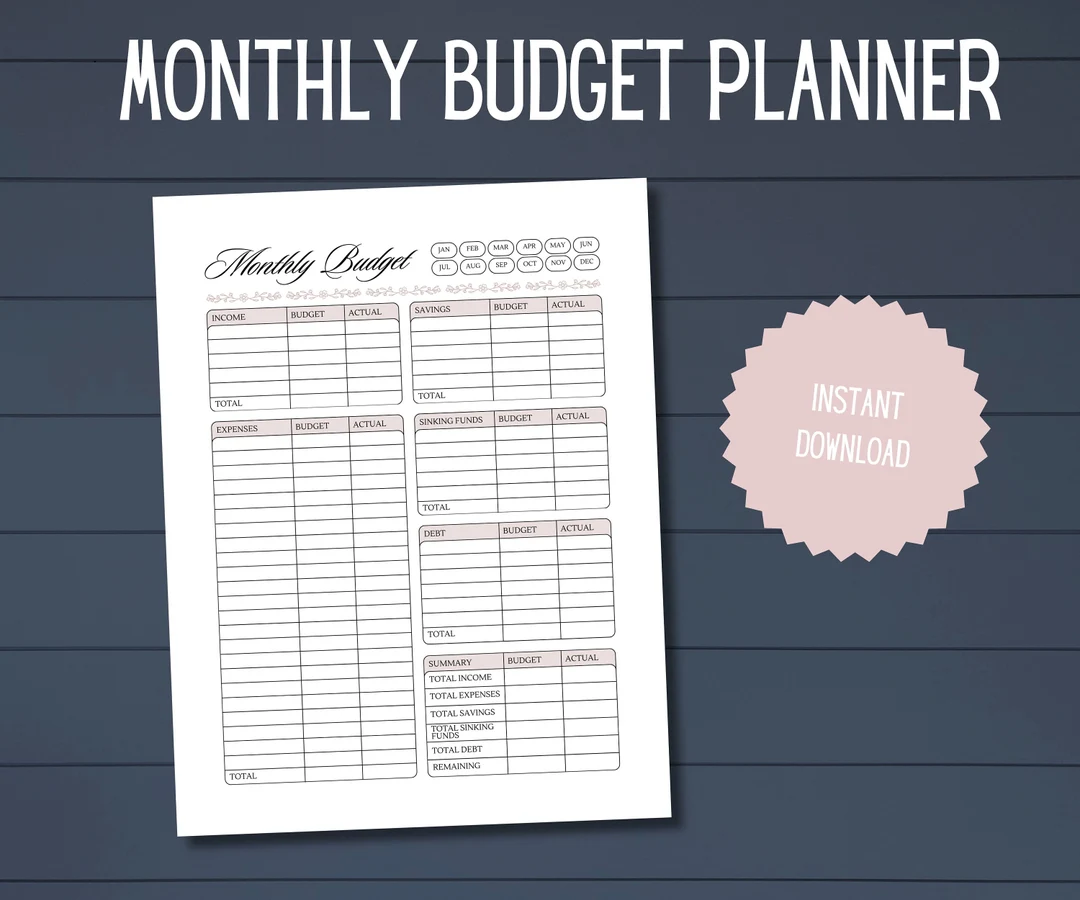
A budget template only works if you use it consistently.
Step 1: Gather your financial information
Collect:
- Bank statements
- Pay stubs
- Bills
- Credit card statements
This helps ensure accuracy.
Step 2: Choose a budget template
Select a template that fits your style:
- Simple spreadsheet
- Detailed planner
- Mobile budgeting app
Choose something easy enough to maintain.
Step 3: Enter income and expenses
List:
- Fixed income
- Variable income
- Fixed expenses
- Variable spending
Be honest and include small purchases too.
Step 4: Calculate net income
Use this formula:
Net Income = Total Income – Total Expenses
This shows whether:
- You are saving money
- Breaking even
- Overspending
Step 5: Adjust spending
If your budget is tight:
- Reduce non-essential spending
- Find cheaper alternatives
- Increase income if possible
Step 6: Review monthly
Budgeting is not one-time work.
Review:
- Spending patterns
- Goal progress
- Unexpected costs
Then adjust for the next month.
Types of Monthly Budget Templates
Different people need different budgeting styles.
Simple monthly budget template
Best for beginners who want to track basics.
Detailed monthly planner
Great for families or people with multiple income streams.
Goal-focused budget plan
Ideal for:
- Debt payoff
- Saving for a house
- Travel planning
Choose a format that fits your lifestyle.
Advantages of Using a Monthly Budget Template
Using a budget template consistently can improve your financial life in many ways.
Major benefits:
- Better spending awareness
- Reduced financial stress
- Improved saving habits
- Faster debt repayment
- More confidence with money
- Better long-term planning
Budgeting helps turn financial goals into action.
Limitations of a Monthly Budget Template
While helpful, monthly budgets do have limits.
Common limitations:
- Unexpected expenses can disrupt plans
- Irregular income can make budgeting harder
- Seasonal spending may vary
- Some people may find budgeting restrictive
Solution:
Use budgeting as a flexible guide—not a rigid rule.
Practical Tips for Successful Budgeting
Be honest
Track every expense, even small ones.
Stay flexible
Adjust when life changes.
Keep it simple
Don’t overcomplicate your budget.
Set realistic goals
Focus on achievable progress.
Make it visual
Use charts, apps, or trackers to stay motivated.
Stay accountable
Share goals with a partner, friend, or mentor.
Consistency matters more than perfection.
Tools to Help You Budget Better
You can use:
- Excel or Google Sheets
- Printable monthly planners
- Budgeting apps
- Financial dashboards
Digital tools make tracking easier and more convenient.
Frequently Asked Questions
What is the best monthly budget template?
The best template is one you can use consistently. Simple formats often work best.
How often should I update my budget?
Ideally weekly for tracking, and monthly for full review.
Can a budget template help me save money?
Yes. It helps identify unnecessary expenses and creates space for savings.
Is budgeting worth it if my income is low?
Absolutely. Budgeting is especially important when money is tight.
Final Thoughts
A monthly budget template is one of the most effective tools for improving your financial health. It helps you understand your income, control your expenses, reduce debt, and build savings with confidence.
The key is to start simple, stay consistent, and make adjustments as needed. With the right budget template and a realistic plan, you can take control of your finances and move closer to your financial goals every month.