

7 Workout Mistakes That Kill Your Progress (And How to Fix Them)
Introduction
You’re hitting the gym consistently, pushing through tough workouts, and giving it your all—but your body isn’t changing. Sound familiar?
The problem isn’t your effort—it’s your strategy.
Many people spend months (even years) stuck in the same place because of simple but critical workout mistakes. These errors in training, recovery, and nutrition can completely stall your progress.
The good news? Once you fix them, you can start seeing real results in as little as 4–6 weeks.
In this guide, we’ll break down the 7 biggest workout mistakes that are holding you back—and how to correct them starting today.
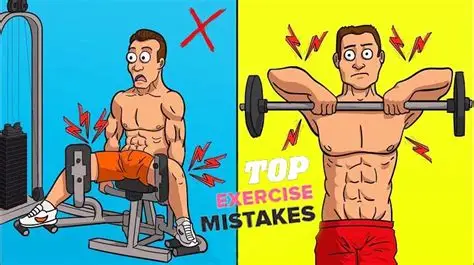
1. Lifting with Ego Instead of Purpose
The Problem
Lifting weights that are too heavy often leads to poor form, reduced muscle activation, and increased risk of injury.
The Fix
- Start lighter than you think (apply the 20% rule)
- Focus on proper technique and full range of motion
- Control each rep instead of rushing
Warning signs: Using momentum, skipping proper form, or feeling joint pain instead of muscle fatigue.
2. Constantly Changing Workout Programs
The Problem
Switching routines every few weeks prevents your body from adapting and makes progress hard to track.
The Fix
- Stick to a structured program for 8–12 weeks
- Track your workouts consistently
- Make small adjustments instead of starting over
Consistency is key to long-term results.
3. Ignoring Progressive Overload
The Problem
Doing the same exercises with the same weight and reps week after week leads to stagnation.
The Fix
Apply progressive overload by:
- Increasing reps
- Adding weight gradually
- Increasing sets
- Improving tempo or reducing rest time
Progress happens when you challenge your body to do more over time.
4. Doing Too Much Cardio
The Problem
Excessive cardio can lead to muscle loss, fatigue, and poor recovery—especially if your goal is muscle growth.
The Fix
- Limit cardio to 2–3 sessions per week
- Prioritize strength training
- Use short, intense workouts like HIIT
Follow the 80/20 rule: 80% strength training, 20% cardio.
5. Neglecting Recovery
The Problem
Skipping rest days, poor sleep, and lack of recovery can slow muscle growth and increase injury risk.
The Fix
- Warm up for 5–10 minutes before workouts
- Allow 48–72 hours for muscle recovery
- Sleep 7–9 hours per night
- Stay hydrated and manage stress
Recovery is where your body actually builds muscle and gets stronger.
6. Poor Nutrition Habits

The Problem
Not eating enough—or eating the wrong foods—can prevent muscle growth and recovery.
The Fix
- Maintain a calorie surplus (200–500 calories) for muscle gain
- Consume 0.7–1g of protein per pound of body weight
- Eat protein within 2 hours after workouts
- Follow an 80/20 diet (whole foods vs. flexibility)
Recommended Macronutrient Split:
- Protein: 30–35%
- Carbs: 40–45%
- Fats: 20–25%
Your body needs the right fuel to grow.
7. Training Without a Clear Goal
The Problem
Random workouts without a clear objective lead to wasted time and slow progress.
The Fix
- Focus on compound exercises (squats, deadlifts, bench press)
- Prioritize intensity over workout length
- Align your training with your goal (muscle gain, fat loss, strength)
Train with purpose—not just effort.
Your 12-Week Action Plan
Weeks 1–2:
- Choose a structured program
- Focus on proper form
- Establish a sleep routine
Weeks 3–4:
- Track workouts
- Improve nutrition and protein intake
- Add proper warm-ups
Weeks 5–8:
- Apply progressive overload
- Reduce excessive cardio
Weeks 9–12:
- Optimize nutrition
- Evaluate results
- Plan your next training phase
Frequently Asked Questions
How soon will I see results?
Most people notice improvements in 4–6 weeks after correcting these mistakes.
Can I still do cardio while building muscle?
Yes, but limit it and prioritize strength training.
What’s the biggest nutrition mistake?
Not eating enough protein.
Should I train to failure every set?
No—training close to failure is enough for growth.
How many rest days do I need?
At least 1–2 rest days per week.
Final Thoughts
The biggest mistake most people make is believing that effort alone guarantees results.
In reality, progress comes from combining effort with the right strategy.
By avoiding these common workout mistakes and focusing on consistency, proper training, and recovery, you can finally achieve the results you’ve been working toward.