
How to Escape the Psychological Poverty Trap: A Guide to Transforming Your Mindset
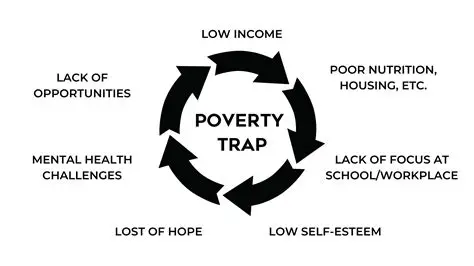
Despite the abundance of opportunities, many people remain stuck in a relentless cycle of financial struggle, often feeling like there’s “too much month left at the end of the money.” Surprisingly, this isn’t always about lacking resources—it often reflects something deeper: a psychological poverty trap.
Poverty isn’t just an economic condition; it can also be a mindset. Limiting beliefs, negative thought patterns, and self-defeating behaviors can keep people trapped, even when opportunities for progress exist. Escaping this trap requires more than a pay rise or a better job—it demands a shift in thinking and the conscious decision to challenge internalized limitations.
In this guide, we explore the roots of the psychological poverty trap, how it keeps people stuck, and practical strategies to break free.
Understanding the Psychological Roots of Poverty
Several psychological factors contribute to what is called a poverty mindset:
1. Scarcity Mentality
A scarcity mindset creates a constant sense of lack—not just of money, but of time, resources, skills, and opportunities. This short-term focus makes it harder to plan, invest in oneself, and make empowered decisions.
2. Learned Helplessness
Repeated failure can lead to a belief that personal actions have little effect on outcomes. This sense of powerlessness discourages effort and limits motivation to pursue opportunities.
3. Low Self-Esteem
Prolonged financial hardship can erode self-worth, leading to fear of failure, shame, and reluctance to take risks—all of which reinforce the cycle of poverty.
4. Reduced Agency
Feeling powerless and attributing circumstances to luck, fate, or external forces prevents people from taking control of their lives. Without agency, change feels impossible.
5. Limiting Beliefs
Deeply held convictions such as “I’m not smart enough” or “I don’t deserve success” act as self-fulfilling prophecies, stopping people from taking the first step toward change.
The Self-Fulfilling Cycle of Psychological Poverty
These psychological factors form a vicious cycle:
- Scarcity mindset → poor decision-making → limited resources
- Learned helplessness → reduced effort → reinforces belief that change is impossible
- Low self-esteem → missed opportunities → stagnation
- Reduced agency → passivity → continued dependence
- Limiting beliefs → self-restriction → perpetuated poverty
Even when opportunities arise, this mindset can prevent people from seizing them, creating a doom-loop of ongoing struggle.
Shifting to an Empowering Mindset
Breaking free starts with conscious choices and a deliberate shift in thinking. Key strategies include:
1. Challenge Limiting Beliefs
Identify negative assumptions about yourself and the world, then replace them with constructive, empowering thoughts. This mental shift is the foundation for change.
2. Cultivate a Growth Mindset
Believe that skills, knowledge, and intelligence can grow through learning and persistence. Failures become lessons rather than setbacks, opening doors to progress.
3. Build Self-Efficacy
Set small, achievable goals and celebrate successes, no matter how minor. Gradually, confidence grows, empowering you to take on bigger challenges.
4. Practice Gratitude
A focus on appreciation fosters positivity, reduces stress, and improves well-being. Gratitude shifts your mindset from “what’s missing” to “what’s possible.”
5. Focus on Value Creation
Success often comes from improving the lives of others. Whether through products, services, or expertise, contributing value increases both personal fulfillment and financial opportunity.
Overcoming Negative Cultural Influences
Psychological poverty is often reinforced by external factors:
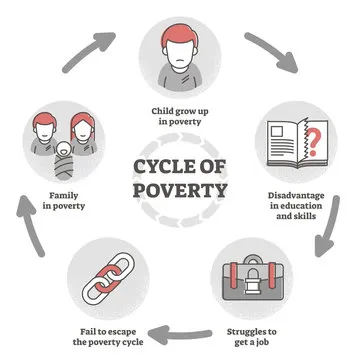
- Intergenerational poverty embeds limiting beliefs across generations.
- Societal stigma creates shame, isolation, and negative self-perceptions.
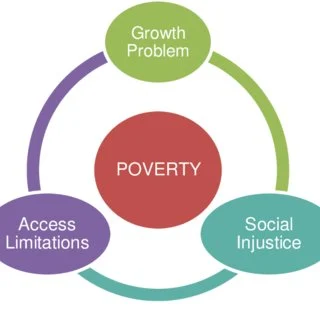
- Limited access to resources hinders education, healthcare, and opportunities for growth.
To counteract these influences, seek positive role models, mentors, and supportive communities. Education, professional guidance, and social support can help break ingrained patterns.
The Most Important First Step
The first step in escaping the psychological poverty trap is self-awareness. Recognize your limiting beliefs about money, success, and yourself. Tools that help include:
- Journaling your thoughts and financial behaviors
- Talking with a trusted friend or mentor
- Seeking professional advice or coaching
Once these limiting beliefs are identified, consciously challenge and replace them with empowering alternatives. This initial act of awareness plants the seed for lasting change.
Conclusion
Escaping the psychological poverty trap is less about external circumstances and more about mindset. By recognizing scarcity thinking, learned helplessness, and limiting beliefs, and by cultivating growth, self-efficacy, gratitude, and value creation, you can begin to transform your financial and personal life.
Remember: change starts in the mind. Awareness today can lead to empowered decisions tomorrow—unlocking the freedom and opportunities you deserve.