

How to Save Money Without Sacrificing Your Lifestyle
Saving money doesn’t have to mean giving up everything you enjoy. In fact, building better financial habits is often about making smarter choices — not making your life feel restricted. With the right mindset, a practical budget, and a few everyday savings strategies, you can grow your savings while still enjoying the lifestyle you love.
This guide will show you how to save money without sacrificing your quality of life, so you can work toward financial freedom in a sustainable way.
Start with the Right Money Mindset
Before changing your spending habits, it’s important to change how you think about money.
Why Mindset Matters
Saving becomes easier when you:
- Focus on long-term goals
- Make intentional financial choices
- Understand the value of delayed gratification
Build a Positive Relationship with Money
Instead of seeing saving as restriction, view it as:
- Creating more freedom
- Reducing stress
- Building security for the future
A healthy money mindset helps you stay consistent without feeling deprived.
Set Clear Financial Goals
Saving is easier when you know what you’re working toward.
Examples of Savings Goals
- Building an emergency fund
- Paying off debt
- Saving for travel
- Buying a home
- Investing for the future
Why Goals Help
Clear goals:
- Keep you motivated
- Help you prioritize spending
- Make saving feel meaningful
Write down your goals and break them into smaller milestones.
Create a Realistic Budget That Fits Your Lifestyle
A budget should support your life — not make it harder.
How to Build a Practical Budget
Start by tracking:
- Income
- Fixed expenses (rent, bills, subscriptions)
- Variable expenses (food, transport, entertainment)
Then:
- Set a savings target
- Leave room for fun spending
- Adjust based on your actual habits
Budgeting Tip
Use a simple budgeting method like:
- 50% needs
- 30% wants
- 20% savings/debt
The best budget is one you can actually stick to.
Track Your Spending to Find Hidden Savings
Many people underestimate how much they spend on small daily purchases.
Common Hidden Expenses
- Food delivery
- Coffee runs
- Impulse online shopping
- Unused subscriptions
How to Save More
- Review bank statements monthly
- Use a budgeting app
- Identify patterns
Small spending leaks can add up quickly.
Practice Mindful Spending
Mindful spending means making intentional choices instead of emotional or impulsive purchases.
Ask Yourself Before Buying
- Do I really need this?
- Will I still value it in a month?
- Does this support my goals?
Benefits
- Reduces buyer’s remorse
- Helps you spend on what truly matters
- Makes saving feel easier
Spending less doesn’t mean enjoying less — it means spending better.
Save Money on Everyday Expenses
Small changes in your daily routine can lead to big savings over time.
1. Save on Groceries with Meal Planning

Food is one of the easiest areas to overspend.
Smart Grocery Tips
- Plan meals before shopping
- Make a grocery list
- Buy in bulk when practical
- Shop store brands
- Use coupons or loyalty programs
Meal planning helps reduce waste and avoid expensive takeout.
2. Cut Utility Bills at Home
Lowering household costs doesn’t require major sacrifices.
Energy-Saving Tips
- Turn off unused lights
- Use LED bulbs
- Unplug electronics
- Set your thermostat efficiently
- Wash clothes in cold water
Small habits can lower monthly bills.
3. Reduce Transportation Costs
Transportation can be a major monthly expense.
Ways to Save
- Carpool when possible
- Use public transit
- Walk or bike for short trips
- Combine errands into one trip
Reducing fuel and parking costs can free up extra money.
Shop Smarter Without Feeling Deprived
You don’t have to stop buying things you enjoy — just become more strategic.
Find Deals and Discounts
Before buying:
- Compare prices online
- Wait for seasonal sales
- Use cashback apps
- Search for promo codes
A little patience can save a lot.
Buy Second-Hand or Refurbished
Used items can offer excellent value.
Great items to buy second-hand:
- Furniture
- Electronics
- Home décor
- Clothing
Refurbished products often cost less while still performing well.
Try DIY and Upcycling
Do-it-yourself projects can save money and add a personal touch.
Examples:
- Home décor
- Gifts
- Simple repairs
- Repurposing old items
DIY can be both cost-effective and enjoyable.
Save on Big-Ticket Purchases
Large purchases deserve extra planning.
Compare Before You Buy
For expensive items:
- Research thoroughly
- Compare brands and prices
- Read reviews
Time Your Purchases
Many products go on sale during:
- Holiday promotions
- End-of-season clearance
- Major sales events
Timing can make a big difference.
Negotiate When Possible
You may be able to negotiate:
- Car prices
- Rent
- Furniture
- Service contracts
It never hurts to ask.
Know When to Buy vs. Rent
For some big purchases, renting may be more cost-effective than buying.
Consider:
- Frequency of use
- Maintenance costs
- Long-term value
This can help avoid unnecessary spending.
Build Savings Without Feeling Restricted
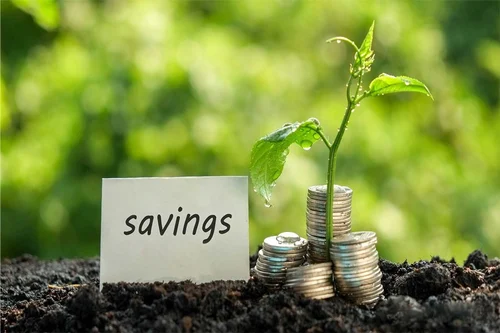
Saving money is easier when you make it automatic.
Simple Ways to Save Consistently
- Set up automatic transfers to savings
- Save spare change or round-ups
- Increase savings when income rises
Why Automation Helps
- Removes decision fatigue
- Builds consistency
- Makes saving effortless
Even small amounts saved regularly can grow over time.
Final Thoughts
Saving money without sacrificing your lifestyle is absolutely possible. The key is to be intentional, realistic, and consistent. You don’t need extreme budgeting or constant deprivation to make progress.
By shifting your mindset, creating a flexible budget, cutting wasteful spending, and making smarter financial choices, you can enjoy your life now while building a more secure future.
Start small, stay consistent, and remember: financial freedom is built one smart decision at a time.