

The Future of Personal Finance: How Gen Z Is Redefining Money
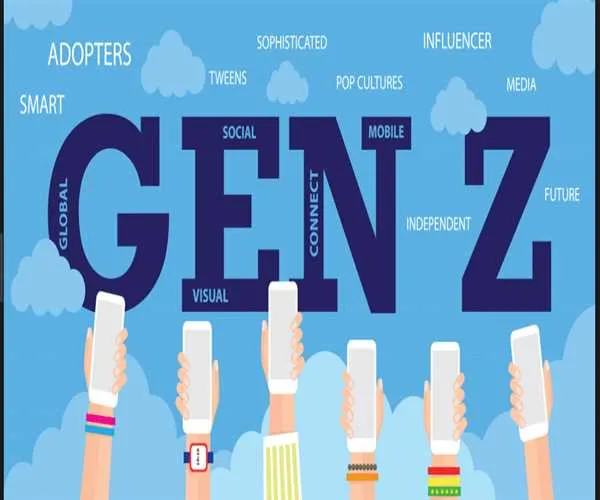
The way we manage money is changing—fast. Generation Z is not just adopting new financial tools—they are rewriting the rules entirely. Born into a world of mobile payments, fintech apps, and instant transfers, Gen Z doesn’t view money like previous generations. Cash feels outdated, checks are nearly obsolete, and financial planning no longer requires a trip to the bank.
In this blog, we explore how Gen Z is reshaping personal finance, from spending habits to saving, investing, and digital innovation.
From Wallets to Apps: Digital-First Finance
For Gen Z, financial access starts on a screen, not in a bank. Budgeting, payments, saving, and investing are all managed through mobile-first apps. Traditional banks serve as backends, but convenience, control, and speed matter more than legacy institutions.
Physical wallets are disappearing. IDs, payment methods, transit cards, and even peer-to-peer transfers live on smartphones. Splitting a bill is no longer a conversation—it’s a tap.
Financial Education on Their Own Terms
Unlike previous generations, Gen Z learns about money from digital sources. Podcasts, short-form videos, online communities, and creators make finance accessible and interactive. Teenagers are opening savings apps, tracking recurring expenses, and experimenting with micro-investing before they even rent their first car.
Money is no longer a private topic. Gen Z treats finances as something to discuss, optimize, and share.
Digital-First Earning: Multiple Income Streams
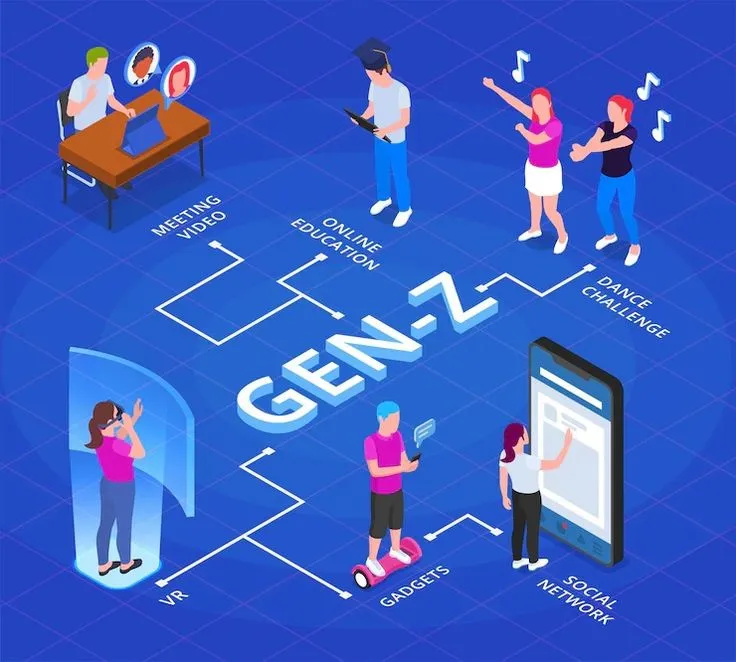
Gen Z income is no longer confined to a 9-to-5 job. Freelancing, side gigs, brand collaborations, and creative monetization are standard. Financial platforms have adapted, offering instant transfers, flexible deposits, and low-friction withdrawals to manage inconsistent income.
Automation plays a key role. Gen Z uses automatic savings rules, customizable goals, and app reminders to stay on top of their finances without traditional in-person banking.
Spending With Intention
Unlike the stereotype of impulsive millennials, Gen Z tracks their spending intentionally. Real-time notifications and digital dashboards help them self-regulate spending, manage subscriptions, and monitor microtransactions.
They respond to overspending immediately rather than waiting for a financial crisis, demonstrating intentional and proactive financial habits.
Saving and Investing in New Ways
Gen Z’s approach to saving and investing is flexible and diverse. Traditional retirement plans are no longer the default. Instead, they spread savings across multiple platforms and invest in small, accessible tools such as:
- Micro-investing apps
- Automated portfolios
- Fractional shares
Digital curiosity drives experimentation. Many explore digital assets like bitcoin, not for speculation, but to understand alternative financial systems and autonomy.
Digital Assets Without the Hype
Contrary to popular belief, Gen Z approaches crypto cautiously. They research, test, and learn rather than blindly follow trends. Bitcoin wallets, for instance, often serve as practical tools to understand decentralized systems and cross-border payments, not get-rich schemes.
Redefining Financial Security
Gen Z defines security not by stability, but by adaptability and diversification. Multiple income streams, mobile banking, and fintech tools provide control and flexibility. Wealth is actively managed across platforms, and small experiments—like learning-friendly investing apps or crypto wallets—reflect a mindset built around access, autonomy, and experimentation.
Banking Without Borders
Digital finance eliminates geographic constraints. Gen Z uses platforms that operate across currencies and borders, making international transfers and global payments seamless. Physical bank branches matter less than instant access and mobile convenience.
The Social Side of Finance
Gen Z treats money as a social and collaborative experience. Financial wins, mistakes, savings hacks, and investment strategies are shared openly on social media. Apps transform transactions into interactions—group payments, shared goals, and savings challenges blur the line between social life and financial life.
Transparency and digital accountability are valued over traditional financial advice.
What Comes Next
Gen Z is shaping the future of personal finance on their own terms. Mobile-first tools, real-time insights, flexible income, and experimental investing define a generation that treats money the way they treat technology: fluid, customizable, and evolving.
This isn’t a trend—it’s the baseline. Whether budgeting, investing, or testing new platforms, Gen Z isn’t inheriting the financial world—they’re rebuilding it to match the way they live.