
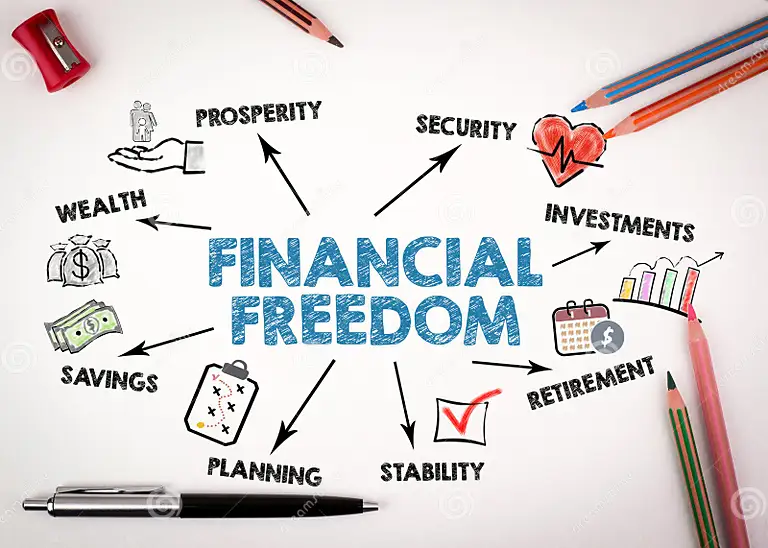
12 Key Habits for Achieving Financial Freedom
Achieving financial freedom is a goal many aspire to—but only a few truly understand how to reach it. At its core, financial freedom means having enough savings, investments, and passive income to support the lifestyle you desire without constant financial stress.
The good news? It’s not about luck—it’s about building the right habits. Here are 12 powerful financial habits that can help you take control of your money and move closer to long-term wealth and independence
Achieving financial freedom is a goal many aspire to—but only a few truly understand how to reach it. At its core, financial freedom means having enough savings, investments, and passive income to support the lifestyle you desire without constant financial stress.
The good news? It’s not about luck—it’s about building the right habits. Below are 12 powerful financial habits that can help you take control of your money and move closer to long-term wealth and independence.
- Set Clear Financial Goals
Every successful financial journey begins with clear goals.
Define:
- Your short-term goals (e.g., travel, emergency fund)
- Your long-term goals (e.g., retirement, home ownership)
Be specific about amounts, timelines, and priorities. Working backward from your goals allows you to create a realistic financial roadmap.
- Build and Stick to a Budget
A practical monthly budget is the backbone of financial success.
Track:
- Income sources
- Fixed expenses (rent, utilities)
- Variable expenses (groceries, transportation)
- Discretionary spending
A well-maintained budget keeps your spending aligned with your goals and prevents unnecessary overspending.
- Eliminate High-Interest Debt
High-interest debt—especially from credit cards—can quickly derail your financial progress.
Focus on:
- Paying off credit card balances in full each month
- Avoiding unnecessary borrowing
- Managing lower-interest loans responsibly
Reducing debt frees up more money for saving and investing.
- Automate Your Savings
One of the smartest financial habits is to pay yourself first.
Set up automatic transfers to:
- Emergency savings
- Retirement accounts
- Investment portfolios
Automation ensures consistency and removes the temptation to spend before saving.
- Start Investing Early
Investing is essential for building long-term wealth.
Thanks to compound interest, even small contributions can grow significantly over time. Start with:
- Stocks
- ETFs
- Mutual funds
The earlier you begin, the more time your money has to grow.
- Monitor and Improve Your Credit Score
Your credit score affects:
- Loan approval
- Interest rates
- Insurance premiums
Maintain a strong score by:
- Paying bills on time
- Keeping credit utilization low
- Regularly reviewing your credit report
Good credit can save you thousands over time.
- Learn to Negotiate
Negotiation is a powerful but often overlooked skill.
You can negotiate:
- Prices for services
- Bills and subscriptions
- Large purchases
Even small savings add up over time, helping you stretch your budget further.
- Keep Learning About Finance
Financial literacy is a lifelong journey.
Stay updated on:
- Market trends
- Investment strategies
- Tax regulations
The more informed you are, the better decisions you’ll make with your money.
- Take Care of Your Assets
Protecting your assets is just as important as building them.
Maintain:
- Your home
- Vehicles
- Equipment
Proper maintenance helps preserve value and avoid costly repairs in the future.
- Live Below Your Means
A modest lifestyle is key to long-term financial success.
Focus on:
- Needs over wants
- Mindful spending
- Avoiding lifestyle inflation
Living below your means creates more room for saving and investing.
- Seek Professional Financial Advice
A financial advisor can help you:
- Build a diversified portfolio
- Optimize investments
- Plan for retirement
Professional guidance can be especially valuable for complex financial situations.
- Prioritize Your Health
Your health is a financial asset.
Investing in your well-being:
- Reduces medical expenses
- Improves productivity
- Enhances quality of life
Regular check-ups and a healthy lifestyle can save money in the long run.
Final Thoughts: Build Habits, Build Freedom
Financial freedom isn’t achieved overnight—it’s the result of consistent, smart habits practiced over time.
By:
- Setting clear goals
- Managing your budget
- Investing wisely
- Continuously learning
…you can create a strong financial foundation and enjoy the freedom to live life on your own terms.
Start small, stay consistent, and remember: every financial decision you make today shapes your future.