

Financial Freedom Ahead! Crafting Your Long-Term Financial Plan Step by Step
Achieving financial freedom doesn’t happen overnight—it’s the result of careful planning, disciplined habits, and consistent action over time. A well-structured long-term financial plan helps you build wealth, manage risks, and confidently navigate life’s financial challenges.
In this guide, you’ll learn how to create a step-by-step long-term financial plan that supports your goals and sets you on the path to lasting financial independence.
Why Long-Term Financial Planning Matters
Long-term financial planning focuses on your financial future over 5, 10, or even 30+ years. Unlike short-term budgeting, it helps you:
- Harness the power of compound growth
- Stay resilient during market fluctuations
- Prepare for major life events (home, education, retirement)
- Build confidence and reduce financial stress
The earlier you start, the more time your money has to grow. Even small, consistent investments can turn into substantial wealth over decades.
The 9-Step Long-Term Financial Planning Framework
1. Assess Your Current Financial Health
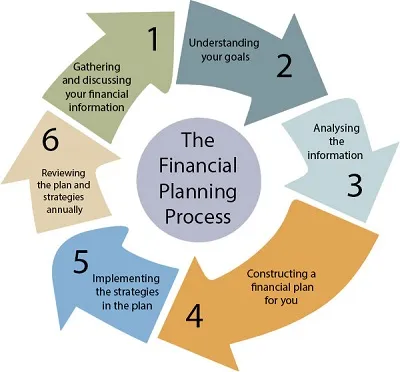
Start by understanding where you stand financially.
- Calculate your net worth (assets – liabilities)
- Track your income and expenses
- Review your credit score
This step provides a clear baseline and highlights areas for improvement.
- Set SMART Financial Goals
Define goals that are:
- Specific
- Measurable
- Achievable
- Relevant
- Time-bound
Break them into:
- Short-term (1–2 years)
- Mid-term (3–10 years)
- Long-term (10+ years)
Clear goals give your financial plan direction and purpose.
- Create a Purposeful Budget
A budget ensures your money works for you—not the other way around.
Try the 50/30/20 rule:
- 50% for needs
- 30% for wants
- 20% for savings and debt repayment
Automating your budget and savings can help maintain consistency.
- Build an Emergency Fund
An emergency fund acts as your financial safety net.
- Aim for 3–6 months of living expenses
- Keep it in an easily accessible account
- Start small and grow over time
This protects your long-term plan from unexpected disruptions.
- Eliminate High-Interest Debt
Debt—especially high-interest debt—can slow your progress.
Two effective strategies:
- Snowball method: Pay smallest debts first for motivation
- Avalanche method: Pay highest interest debts first to save money
Reducing debt frees up cash for investing and saving.
- Develop a Smart Investment Strategy

Investing is essential for long-term wealth building.
Focus on:
- Diversification across asset classes
- Aligning investments with your risk tolerance
- Maintaining a long-term perspective
Popular options include:
- Stocks
- Bonds
- ETFs and mutual funds
Remember: Consistency matters more than trying to time the market.
- Plan for Retirement Early
Retirement planning should begin as soon as possible.
- Contribute to retirement accounts regularly
- Take advantage of employer matching programs
- Adjust contributions over time
Starting early allows compound growth to work in your favor.
- Manage Risks and Optimize Taxes
Protect your financial future by managing risks effectively.
Key areas to consider:
- Health, life, and disability insurance
- Tax-efficient investment strategies
- Proper estate planning (wills, beneficiaries)
These steps help preserve your wealth over time.
- Review and Adjust Your Plan Regularly
Your financial plan should evolve with your life.
- Conduct annual reviews
- Adjust for major life events (marriage, career changes, children)
- Rebalance your investment portfolio
Regular check-ins keep your plan aligned with your goals.
The Power of Compound Growth
One of the biggest advantages of long-term planning is compound interest.
For example:
- Investing consistently over decades allows your returns to generate additional returns
- Starting early can significantly increase your final wealth
⏳ Time in the market is more powerful than timing the market.
Common Mistakes to Avoid
When building your long-term financial plan, avoid:
- Ignoring emergency savings
- Setting unrealistic goals
- Failing to adjust your plan over time
- Letting emotions drive investment decisions
- Not diversifying your portfolio
Being aware of these pitfalls helps you stay on track.
Tips to Stay Motivated
Long-term financial planning requires patience. Stay committed by:
- Celebrating milestones (debt-free, savings goals)
- Automating savings and investments
- Tracking progress regularly
- Continuing to learn about personal finance
Small wins build momentum toward big results.
Final Thoughts: Start Today, Secure Tomorrow
Creating a long-term financial plan may seem overwhelming, but breaking it into manageable steps makes it achievable.
By:
- Understanding your financial situation
- Setting clear goals
- Building strong financial habits
- Investing consistently
…you can create a roadmap to financial freedom.
Remember: financial success isn’t about quick wins—it’s about consistency over time.
Start today, and your future self will thank you.