
Personal Finance for Students: A Complete Guide to Managing Money
Being a student is challenging. Between classes, exams, and possibly a part-time job, managing your finances can feel overwhelming. But here’s the truth: learning personal finance as a student is one of the most important skills for your future.
College isn’t free—even with scholarships—and many students graduate without a clear financial plan. The good news? If you start building smart money habits early, you can set yourself up for long-term financial success.
This guide covers everything you need to know about personal finance for students, from budgeting and saving to investing and managing debt.
Why Personal Finance Matters for Students
According to Investopedia, understanding personal finance early helps individuals make better financial decisions and avoid common money mistakes.
Understanding basic financial concepts early can make a huge difference later in life. Many graduates fall into the trap of lifestyle inflation—earning more but also spending more—leaving little room for saving or investing.
Being a student is challenging. Between classes, exams, and possibly a part-time job, managing money can feel overwhelming. However, learning personal finance for students early is one of the most important skills you can develop for your future.
College education is expensive—even with scholarships—and many students graduate without a clear financial plan. The good news is that by building smart money habits early, you can create a strong foundation for long-term financial success.
This guide will walk you through everything you need to know about personal finance for students, including budgeting, saving, investing, and managing debt effectively.
By building a strong financial foundation now, you can:
- Avoid unnecessary debt
- Build savings early
- Develop smart spending habits
- Prepare for long-term financial goals
- Budgeting: The Foundation of Student Finance
The first step to managing money is creating a realistic budget. Without one, it’s easy to overspend and struggle financially.
How to track your expenses:
- Use a spreadsheet or budgeting app
- Review your bank or credit card statements monthly
- Categorize expenses (rent, food, transport, entertainment)
Understand your costs:
- Fixed costs: tuition, rent, bills
- Variable costs: food, shopping, entertainment
Leave room for enjoyment:
College isn’t just about studying—you should enjoy it too. Allocate a small portion of your budget for social activities while staying within limits.
Ways to save money as a student:
- Buy used textbooks and resell them
- Cook meals instead of eating out
- Shop second-hand clothing
- Look for student discounts
The first step to managing money is creating a realistic budget. Without one, it’s easy to overspend and struggle financially.
How to track your expenses:
- Use a spreadsheet or budgeting app
- Review your bank or credit card statements monthly
- Categorize expenses (rent, food, transport, entertainment)
Understand your fixed vs. variable costs:
- Fixed costs: Tuition, rent, bills
- Variable costs: Food, shopping, entertainment
Leave room for fun
College isn’t just about studying—you should enjoy it too. Allocate a small portion of your budget for social activities, but keep it under control.
Ways to save money as a students:
- Buy used textbooks and resell them
- Cook instead of buying meal plans
- Shop second-hand
- Look for student discounts
- Build an Emergency Fund
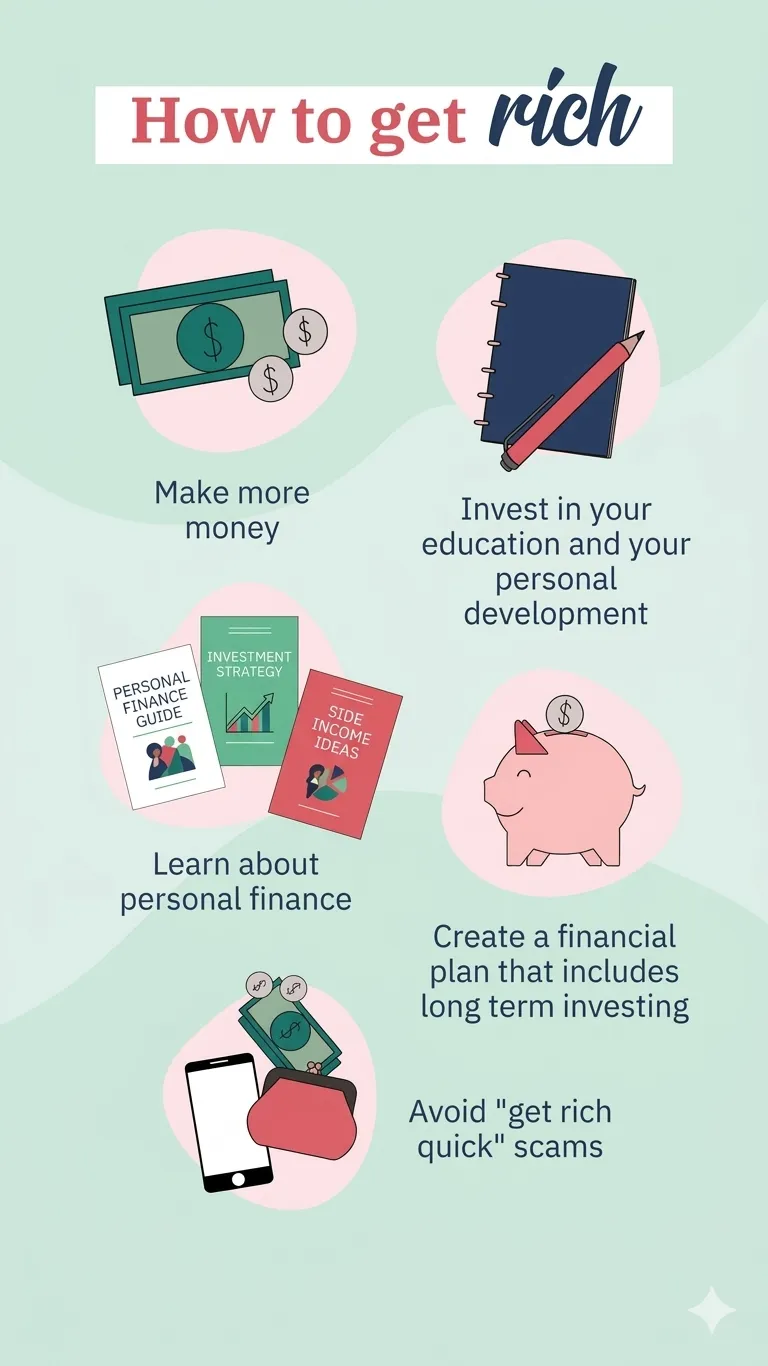
Unexpected expenses can happen at any time—medical bills, repairs, or urgent travel.
Why it’s important:
Without savings, you may rely on credit cards or loans, which can lead to debt.
How to start:
- Save small amounts regularly (e.g., 10% of your income)
- Aim for an initial goal of $500–$1,000
- Keep the money in a high-interest savings account
Tip: Only use this fund for real emergencies.
- Use Credit Cards Wisely
Credit cards can be helpful—but only if used responsibly.
Benefits of student credit cards:
- Build your credit score
- Earn cashback or rewards
- Learn financial discipline
What to look for:
- No annual fee
- Low interest rates or 0% intro APR
- Student-friendly rewards
Smart credit card habits:
- Never spend more than you can afford
- Pay your balance in full every month
- Keep your credit utilization low
Misusing credit cards can quickly lead to debt and damage your credit score.
- Understand Student Loans
Student loans are often necessary—but they should be managed carefully.
Types of student loans:
- Federal loans: Usually better terms and lower interest
- Private loans: Based on credit score, often higher risk
Key tips:
- Borrow only what you need
- Understand interest rates and repayment terms
- Consider income-driven repayment plans
Repayment strategy:
- Make extra payments when possible
- Pay more than the minimum
- Consider refinancing if you qualify for better rates
Even small extra payments can save you years of debt.
- Start Investing Early (Even as a Student)
Investing might seem intimidating, but starting early gives you a huge advantage thanks to compound growth.
Beginner-friendly investment options:
- High-yield savings accounts
- Certificates of deposit (CDs)
- Bonds
- ETFs or index funds
- Low-cost brokerage accounts
Why start now?
- Time is your biggest asset
- Small investments can grow significantly
- Builds long-term wealth habits
You don’t need a lot of money—just consistency.
- Don’t Forget Insurance
Insurance is often overlooked but plays a key role in financial protection.
Types students should consider:
- Health insurance: Often required by schools
- Car insurance: May offer student discounts
- Renters insurance: Protects your belongings
Insurance helps you avoid major financial setbacks in emergencies.
- Buying a Car as a Student
At some point, you may need a car for internships or part-time jobs.
Smart tips:
- Buy a reliable used car
- Keep total monthly costs under 10% of your budget
- Save at least 20% for a down payment
Important reminder:
Cars are depreciating assets—they lose value over time.
- Build Your Credit Score
A good credit score can help you:
- Get lower interest rates
- Qualify for better loans
- Save money in the long run
How to build credit:
- Use a credit card responsibly
- Pay bills on time
- Keep balances low
- Learn Salary Negotiation Skills
Your first job after graduation is a major financial milestone.
Key tips:
- Don’t accept the first offer immediately
- Research average salaries in your field
- Let employers state their budget first
- Be confident and negotiate respectfully
Even a small increase in your starting salary can make a big difference over time.