

Uncommon Personal Finance: The 30-Day Financial Reset to Reboot Your Spending Habits
Struggling to manage your money effectively? Whether you’re overspending, saving too little, or simply feeling stuck, a structured reset can help you regain control.
The 30-day financial reset is a powerful budgeting challenge designed to transform your money habits, rebuild your financial system, and set you on a path toward long-term financial stability.
If you’re ready to take control of your finances, this step-by-step guide will walk you through the entire process.
What Is the 30-Day Financial Reset?

The 30-day financial reset is a practical personal finance challenge that helps you:
- Reevaluate your spending habits
- Build a realistic and sustainable budget
- Increase savings consistency
- Improve financial awareness and discipline
Each day includes a small, actionable task that gradually leads to meaningful financial change. Whether you’re a beginner or looking to refine your current system, this challenge is flexible, simple, and results-driven.
Week 1: Build Financial Awareness
Before improving your finances, you need to understand them. This first week focuses on clarity and self-assessment.
Day 1: Define Your Financial Goals
Write down clear short-term and long-term goals.
Day 2: Track Your Spending
Review your expenses from the past 30 days using bank statements or apps.
Day 3: Categorize Expenses
Divide spending into:
- Needs
- Wants
- Waste
Day 4: Identify Financial Stressors
List the top 3 financial issues causing stress.
Day 5: Review Income Sources
Evaluate your income stability and growth potential.
Day 6: Calculate Your Net Worth
Subtract liabilities from assets to understand your financial position.
Day 7: Reflect and Journal
Summarize what you’ve learned and identify patterns.
Week 2: Create a Budget That Works
Now that you understand your finances, it’s time to build a practical plan.
Day 8: Choose a Budgeting Method
Popular options include:
- 50/30/20 rule
- Zero-based budgeting
- Envelope system
Day 9: Build Your Budget
Use real numbers to create a monthly plan.
Day 10: Set Spending Limits
Assign limits to each category based on your goals.
Day 11: Add a Financial Buffer
Prepare for unexpected expenses with a “just in case” fund.
Day 12: Cut Unnecessary Costs
Cancel or reduce at least one recurring expense.
Day 13: Automate Your Finances
Set up automatic payments and savings transfers.
Day 14: Review and Adjust
Refine your budget to improve efficiency.
Week 3: Reset Your Spending Habits
This week focuses on behavior change and mindful spending.
Day 15: Try a No-Spend Day
Avoid all non-essential purchases for 24 hours.
Day 16: Audit Subscriptions
Cancel unused memberships and services.
Day 17: Practice Mindful Spending
Ask yourself: “Does this align with my goals?”
Day 18: Define Your Spending Values
Identify purchases that truly add value to your life.
Day 19: Set a Weekly Spending Limit
Use a fixed allowance for discretionary expenses.
Day 20: Replace Expensive Activities
Find free or low-cost alternatives for entertainment.
Day 21: Identify Emotional Triggers
Understand what causes impulse spending and address it.
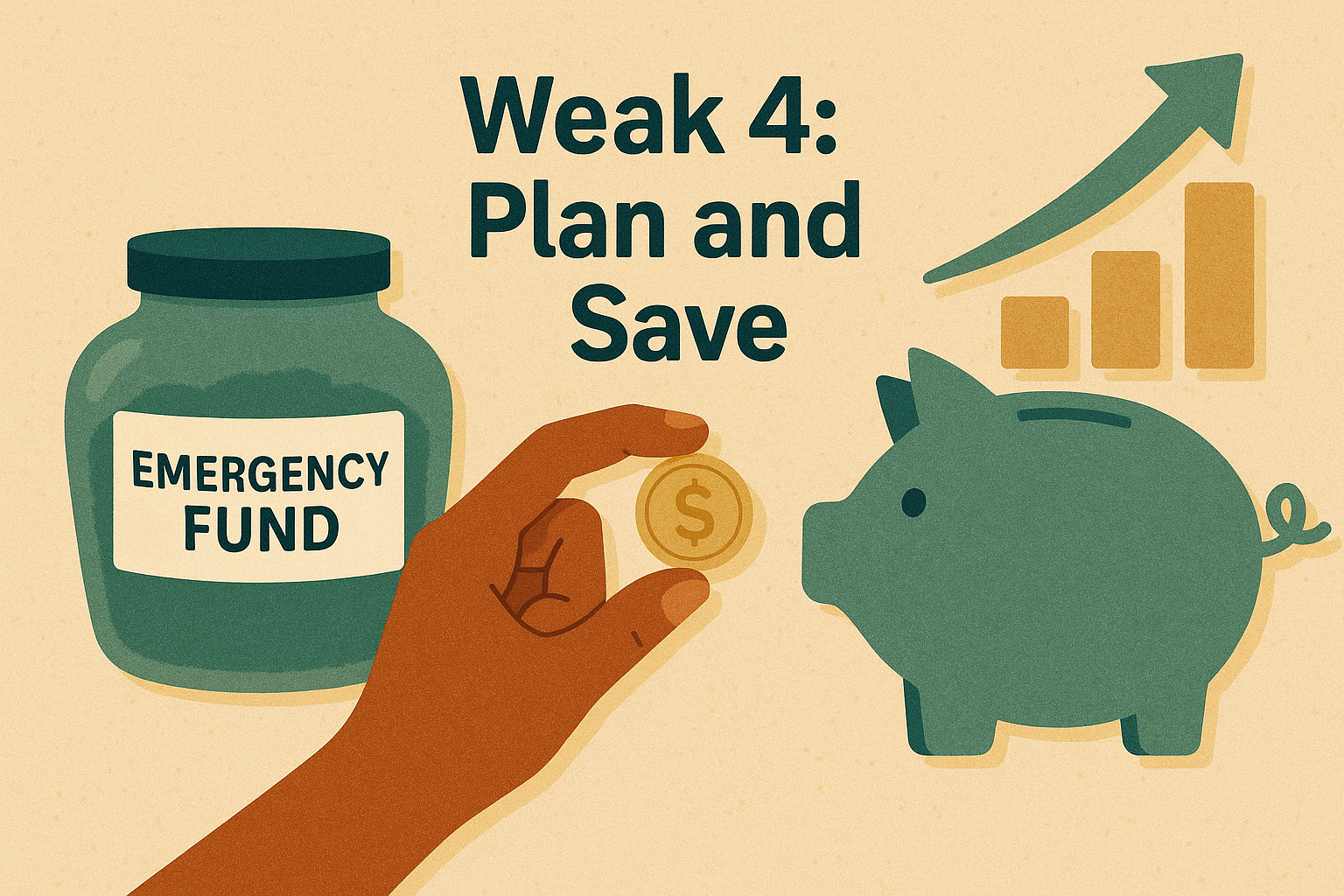
Week 4: Build Savings and Financial Momentum
With better habits in place, it’s time to accelerate progress.
Day 22: Set a Micro-Savings Goal
Aim to save $50–$100 this week.
Day 23: Sell Unused Items
Declutter your space and earn extra money.
Day 24: Explore Side Hustles
Find new ways to increase your income.
Day 25: Optimize Your Savings Account
Ensure your savings are earning interest.
Day 26: Make a Deposit
Transfer money into savings to reinforce the habit.
Day 27: Celebrate Progress
Recognize your achievements—no matter how small.
Day 28: Choose a Habit to Keep
Select one habit to continue long-term.
Day 29: Share Your Journey
Stay accountable by sharing your results.
Day 30: Create a 90-Day Plan
Outline your next steps for sustained financial growth.
Why the 30-Day Financial Reset Works
This challenge is more than just budgeting—it’s a mindset shift.
By completing this 30-day reset, you will:
- Gain control over your money
- Develop consistent financial habits
- Reduce stress and uncertainty
- Build a system that supports your long-term goals
Final Thoughts: Reset, Rebuild, and Thrive
Financial success doesn’t require drastic changes—it comes from small, consistent actions over time.
The 30-day financial reset gives you a clear structure to:
- Understand your finances
- Change your habits
- Build momentum
Start today, and in just one month, you’ll have a stronger foundation for a more secure and confident financial future.