

Common Errors in Personal Budget Management and How to Avoid Them
Managing your money effectively is one of the most important skills in today’s fast-paced financial world. Yet, many people struggle with budgeting—not because they lack income, but because they fall into common financial traps. Understanding these mistakes and learning how to avoid them can help you build a more stable and secure financial future.
In this guide, we’ll explore the most frequent personal budgeting errors and provide practical strategies to improve your financial management.
Why Personal Budget Management Matters
A well-planned budget is the foundation of financial success. It helps you control spending, increase savings, and achieve long-term goals like buying a home, investing, or retiring comfortably.
However, poor budgeting habits can lead to overspending, debt, and financial stress. The key is to identify where things go wrong—and fix them early.
Common Budgeting Mistakes You Should Avoid
1. Ignoring Small Expenses
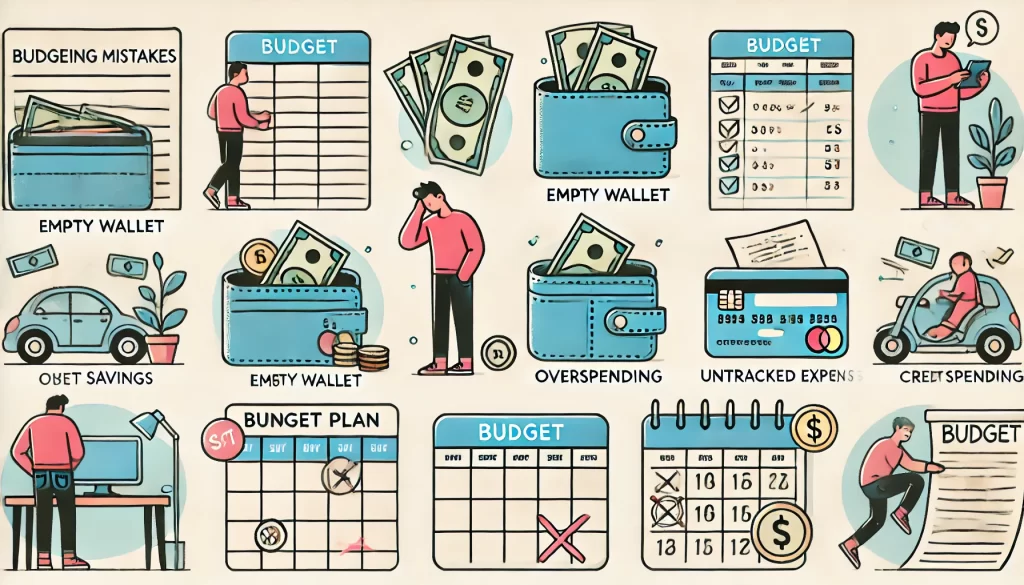
Many people underestimate the impact of small, daily purchases. A $5 coffee or frequent takeout meals may seem harmless, but over time, these expenses can add up significantly.
How to avoid it:
- Track every expense, no matter how small
- Set a monthly limit for discretionary spending
- Replace costly habits with more affordable alternatives
- Not Tracking Your Spending
Failing to monitor where your money goes is one of the biggest budgeting mistakes. Without tracking, it’s easy to overspend without realizing it.
How to avoid it:
- Use budgeting apps or spreadsheets
- Review your bank statements regularly
- Categorize your expenses for better visibility
- Creating Unrealistic Budgets
Overly strict budgets can be discouraging and difficult to maintain. When expectations are too high, people often give up altogether.
How to avoid it:
- Set realistic and flexible spending limits
- Allow room for unexpected expenses
- Adjust your budget based on actual lifestyle needs
- Setting Unrealistic Financial Goals
Trying to save an overly large portion of your income can lead to frustration and burnout.
How to avoid it:
- Start with achievable goals (e.g., saving 15–20% of income)
- Increase savings gradually over time
- Celebrate small financial wins to stay motivated
- Forgetting Irregular Expenses
Many budgets only account for fixed monthly bills, ignoring irregular costs like holidays, repairs, or annual subscriptions.
How to avoid it:
- Create a separate category for irregular expenses
- Set aside a small amount each month
- Plan ahead for seasonal or yearly costs
- Misusing Credit Cards
Using credit without a clear repayment plan can quickly lead to high-interest debt.
How to avoid it:
- Only spend what you can repay in full each month
- Avoid impulse purchases on credit
- Have a clear strategy for managing debt
Hidden Budgeting Pitfalls That Can Hurt Your Finances
Lifestyle Inflation
As your income increases, your spending often increases too. This habit can prevent you from building wealth.
Solution:
Maintain your current lifestyle and allocate extra income toward savings or investments.
Ignoring Inflation
Rising prices can reduce your purchasing power over time if your budget doesn’t adapt.
Solution:
Regularly adjust your savings and financial goals to keep up with inflation.
Emotional Spending
Financial decisions are often influenced by emotions such as stress or excitement, leading to unnecessary purchases.
Solution:
- Practice mindful spending
- Set a discretionary budget
- Pause before making non-essential purchases
The Importance of an Emergency Fund
One of the most critical aspects of financial planning is having an emergency fund. Without it, unexpected expenses can disrupt your entire budget.
Best practice:
Save 3 to 6 months’ worth of living expenses in a separate, easily accessible account.
This financial cushion provides stability and peace of mind.
Smart Strategies to Improve Your Budget
Use the 50/30/20 Rule
A simple and effective budgeting framework:
- 50% for needs (rent, bills, groceries)
- 30% for wants (entertainment, dining)
- 20% for savings and debt repayment
Leverage Technology
Modern tools can simplify budgeting and improve accuracy:
- Budgeting apps for tracking expenses
- Alerts for unusual spending
- Automatic savings features
Review Your Budget Regularly
Your financial situation changes over time, so your budget should too.
Tips:
- Conduct monthly budget reviews
- Adjust for income or expense changes
- Identify areas for improvement
Stay Organized and Consistent
Keeping your finances organized helps you stay in control.
- Use spreadsheets or apps for clarity
- Categorize expenses consistently
- Set reminders for bill payments
Building Financial Discipline for Long-Term Success
Effective budgeting is not about restriction—it’s about creating value and achieving financial freedom. By avoiding common mistakes and adopting better financial habits, you can:
- Reduce financial stress
- Increase savings
- Make smarter financial decisions
- Achieve long-term goals
Conclusion: Take Control of Your Financial Future
Mastering personal budget management starts with awareness and consistency. By recognizing common budgeting errors—like ignoring small expenses, failing to track spending, or misusing credit—you can take proactive steps toward financial stability.
Remember, budgeting is a dynamic process. Regular reviews, realistic goals, and disciplined habits will help you adapt to changes and stay on track.
With the right approach, you can transform your finances and confidently move toward a more secure and prosperous future.