
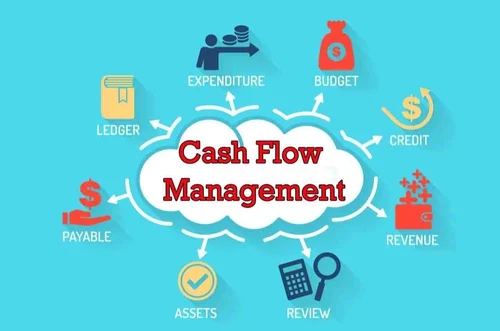
Cash Flow Allocation: Strategic Cash Flow Management for Long-Term Sustainability
In today’s competitive business landscape, cash flow allocation is more than just managing money—it’s a strategic tool for ensuring long-term growth and sustainability. Companies that master how to allocate profits effectively can maintain liquidity, reduce risks, and seize new opportunities.
This comprehensive guide explores how businesses can optimize cash flow management and allocate profits wisely to build a resilient financial future.
- Introduction to Cash Flow Management

Cash flow is the lifeblood of any business. Effective cash flow management ensures that a company has enough liquidity to meet its obligations while positioning itself for future growth.
Key Components of Cash Flow Management
Cash Inflows
Cash inflows include revenue from sales, accounts receivable, and investments. For example, retail businesses rely heavily on daily sales, while manufacturers depend on receivables collection.
Cash Outflows
Outflows cover expenses such as payroll, operational costs, and capital expenditures. Smart businesses optimize outflows by negotiating supplier terms and aligning payments with revenue cycles.
Forecasting and Planning
Forecasting future cash flow based on historical data and market trends helps businesses prepare for expansion and unexpected challenges.
Maintaining Liquidity
A balance between available cash and investments is essential. Businesses must keep enough cash on hand while investing surplus funds wisely.
Financing Options
Access to credit lines, loans, or invoice financing can help manage short-term cash shortages and support growth initiatives.
Leveraging Technology
Modern tools like automated billing systems and financial analytics platforms provide real-time insights, improving decision-making and efficiency.
- Understanding Profit Allocation
Profit allocation is a strategic process that determines how a company distributes its earnings to support long-term objectives.
Core Areas of Profit Allocation
- Reinvestment in Business: Funding R&D, expanding operations, or improving products.
- Emergency Reserves: Setting aside 3–6 months of operating expenses.
- Shareholder Dividends: Rewarding investors while maintaining financial stability.
- Debt Reduction: Lowering liabilities to reduce interest costs.
- Employee Incentives: Boosting morale through bonuses and benefits.
- Strategic Expansion: Investing in acquisitions or partnerships.
- Sustainability Initiatives: Supporting environmentally responsible projects.
A balanced allocation strategy ensures growth while safeguarding against risks.
- Strategies for Effective Cash Flow Allocation
To maximize financial performance, businesses must adopt a structured approach to allocating cash flow.
Proven Strategies
Prioritize Liquidity
Maintain readily accessible funds for unexpected expenses or opportunities.
Reduce Debt
Paying off high-interest liabilities improves financial health and frees up future cash flow.
Invest in Growth Opportunities
Reinvest profits into high-return areas like innovation, marketing, or expansion.
Reward Shareholders
Dividends and share buybacks can enhance investor confidence and company valuation.
Build Reserve Funds
Emergency funds act as a financial cushion during economic downturns.
Pursue Strategic Acquisitions
Acquiring complementary businesses can expand market reach and capabilities.
Improve Operational Efficiency
Investing in technology and training reduces long-term costs and boosts productivity.
- Balancing Risk and Opportunity
Effective cash flow allocation requires a careful balance between growth and risk management.
Key Considerations
- Risk Assessment: Evaluate potential returns versus risks before investing.
- Diversification: Spread investments across different sectors to reduce exposure.
- Opportunity Cost: Choose investments that align with long-term business goals.
- Continuous Monitoring: Regularly review performance and adjust strategies.
Businesses that balance risk and opportunity can grow sustainably without jeopardizing stability.
- Maintaining Liquidity for Operational Stability

Liquidity is critical for ensuring uninterrupted business operations.
Best Practices
- Forecast Cash Needs: Anticipate seasonal trends and unexpected expenses.
- Optimize Cash Conversion Cycle: Speed up receivables and manage payables efficiently.
- Maintain Cash Reserves: Prepare for emergencies and economic downturns.
- Use Credit Facilities Wisely: Access external funding when necessary.
- Invest in Liquid Assets: Ensure quick access to cash when needed.
- Conduct Regular Financial Reviews: Identify and resolve potential issues early.
A strong liquidity strategy keeps businesses agile and resilient.
- A Forward-Thinking Approach to Profit Allocation
Future-focused companies allocate profits with innovation and adaptability in mind.
Strategic Focus Areas
- Reinvest in Core Capabilities: Strengthen competitive advantages.
- Mitigate Risks: Build contingency funds for uncertainty.
- Support Sustainable Growth: Invest in ethical and environmentally friendly initiatives.
- Develop Employees: Enhance skills and productivity through training.
- Engage Communities: Build brand reputation through social responsibility.
This approach ensures long-term success in an ever-changing market.
- Real-World Examples of Successful Cash Flow Allocation
Many businesses have achieved sustainable growth through strategic profit allocation:
- Tech Startups: Reinvesting in R&D to drive innovation and market share.
- Manufacturing Firms: Reducing debt to improve financial stability.
- Retail Chains: Expanding into new markets and diversifying product lines.
- Financial Services Companies: Building reserves to withstand economic downturns.
- Global Corporations: Investing in sustainability to enhance brand value.
These examples highlight the importance of long-term thinking over short-term gains.
- The Future of Financial Planning
The future of cash flow management is being shaped by technology and innovation.
Emerging Trends
- Predictive Analytics: Using data to forecast financial performance.
- Regulatory Technology (RegTech): Simplifying compliance processes.
- ESG Investing: Prioritizing environmental and social responsibility.
- Personalized Financial Strategies: Tailored solutions for businesses and individuals.
- Blockchain Technology: Enhancing transparency and efficiency.
Companies that embrace these trends will gain a competitive edge in financial planning.