
Table of Contents
ToggleBeginner’s Guide to Nutrition and a Balanced Diet for Better Health
Good nutrition is the key to living a healthier, more energized life. The food you eat affects everything from your energy levels and immune system to your mood and long-term well-being. If you’re just starting your healthy eating journey, understanding the basics of nutrition can make all the difference.
This beginner’s guide to nutrition and balanced diet will help you build simple, sustainable habits that support your health without feeling restrictive.
What Is a Balanced Diet?
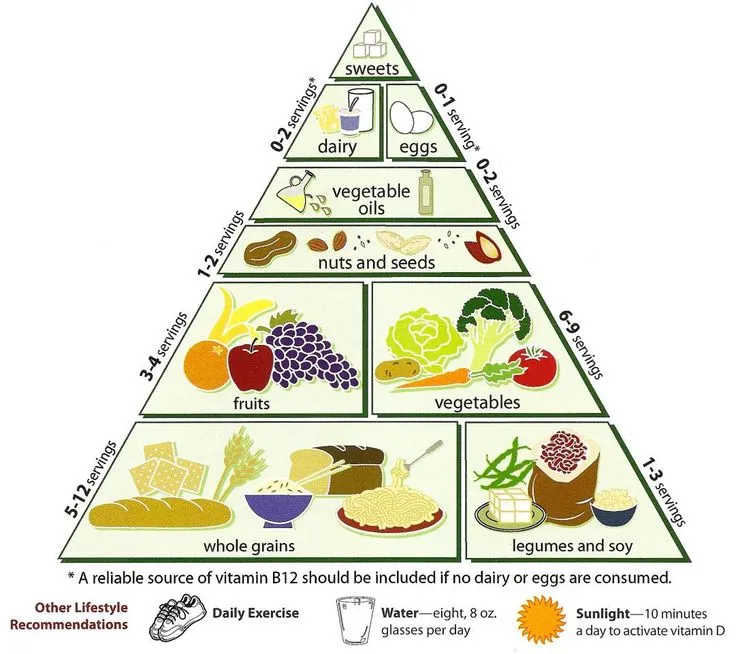
A balanced diet means eating a variety of foods that provide the nutrients your body needs to function properly. These nutrients include carbohydrates, protein, healthy fats, vitamins, minerals, and water.
When your body gets the right balance of nutrients, you may experience:
- More stable energy throughout the day
- Better digestion
- Improved focus and mood
- Stronger immunity
- Reduced risk of chronic diseases
The goal is not perfection — it’s consistency and making better choices over time.
Essential Nutrients Your Body Needs
To maintain good health, your body relies on several key nutrients. Here’s what each one does and where to find it.
Carbohydrates: Your Main Energy Source
Carbohydrates give your body the fuel it needs for daily activities. However, choosing the right type of carbs matters.
Healthy carbohydrate sources include:
- Whole grains like oats, brown rice, and quinoa
- Fruits
- Vegetables
- Legumes
Try to limit refined carbs such as white bread, sugary cereals, and pastries.
Protein: For Muscle Repair and Growth
Protein helps build and repair muscles, supports your immune system, and keeps you feeling full longer.
Good protein sources include:
- Chicken and turkey
- Fish
- Eggs
- Tofu
- Beans and lentils
- Nuts and seeds
Healthy Fats: Important for Brain and Heart Health
Healthy fats support hormone production, brain function, and nutrient absorption.
Choose healthy fats from:
- Avocados
- Olive oil
- Nuts
- Seeds
- Fatty fish like salmon
Avoid excessive intake of trans fats and highly processed fried foods.
Vitamins and Minerals: Support Overall Wellness
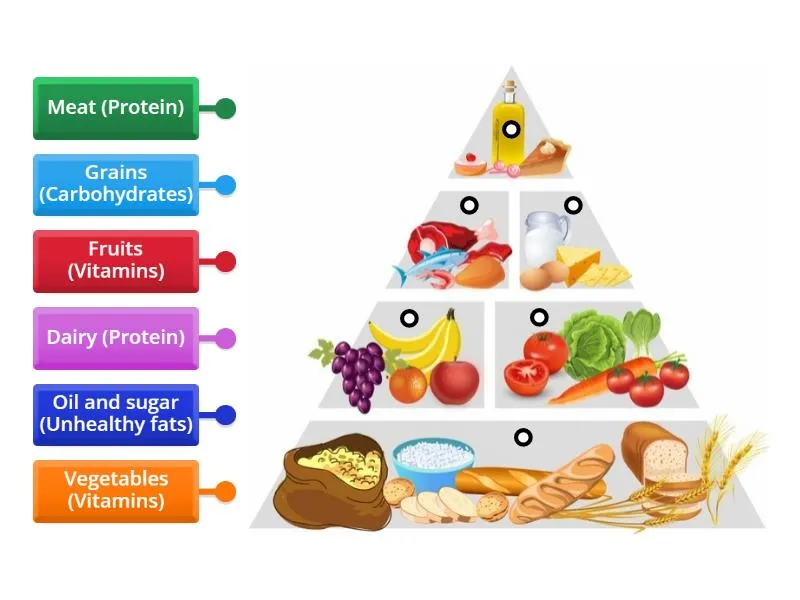
Vitamins and minerals help your body perform essential functions, including immune support, bone health, and metabolism.
To get enough micronutrients:
- Eat colorful fruits and vegetables
- Include leafy greens
- Add dairy or calcium-rich alternatives
Water: Essential for Hydration
Water is often overlooked, but it’s one of the most important parts of good nutrition. Staying hydrated helps with digestion, energy, circulation, and temperature regulation.
Aim to drink at least 6 to 8 glasses of water daily, and more if you’re active.
Why Portion Control Matters
Eating healthy foods is important, but portion sizes also play a major role in maintaining a balanced diet.
Simple ways to manage portions:
- Use smaller plates and bowls
- Eat slowly and mindfully
- Stop eating when you feel satisfied, not overly full
- Avoid distracted eating while watching TV or using your phone
Learning portion control can help prevent overeating without making you feel deprived.
How to Build a Healthy Plate
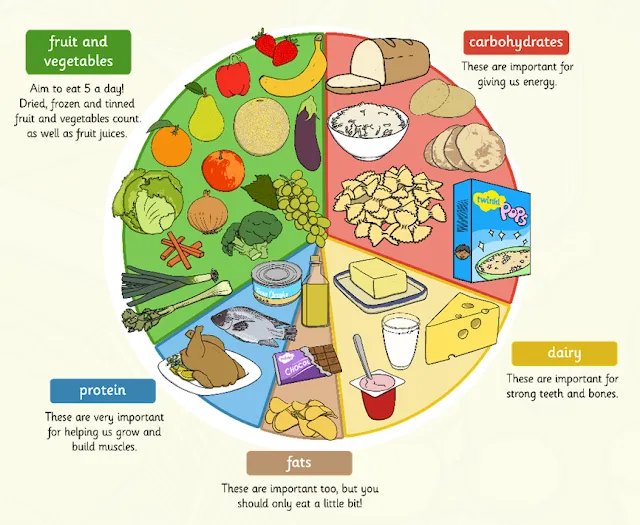
A simple way to create balanced meals is by following the healthy plate method.
The Half-Plate Rule:
- Half your plate: Fruits and vegetables
- One-quarter: Lean protein
- One-quarter: Whole grains or healthy carbohydrates
This method helps ensure you’re getting a good mix of nutrients in every meal.
Smart Eating Habits for Beginners
Healthy eating is easier when you focus on small, realistic changes. Here are some simple habits to start with:
- Eat meals at regular times
- Don’t skip breakfast
- Limit sugary drinks and processed snacks
- Choose healthier snacks like fruit, yogurt, or nuts
- Cook more meals at home
These habits can improve your relationship with food and help you stay on track.
Meal Planning Tips for Beginners
Meal planning can save time, reduce stress, and help you avoid unhealthy last-minute choices.
Beginner-friendly meal planning tips:
- Plan your meals for the week
- Make a grocery list before shopping
- Prepare ingredients in advance
- Cook larger portions and save leftovers
- Keep healthy snacks ready at home
Even simple planning can make healthy eating much more manageable.
Listen to Your Body
Everyone’s nutritional needs are different. Age, activity level, lifestyle, and health goals all affect what works best for you.
Pay attention to:
- Hunger and fullness cues
- How certain foods make you feel
- Your energy levels throughout the day
Healthy eating should make you feel better, not stressed or restricted.
Final Thoughts
Starting a healthier lifestyle doesn’t mean following a strict diet or cutting out your favorite foods. Good nutrition is about balance, variety, and consistency.
By understanding the basics of a balanced diet and making small, sustainable changes, you can improve your health, feel more energized, and build habits that last for life.