
Managing your money doesn’t have to be complicated. If you’re looking for a simple, effective way to budget, the 50/30/20 rule is one of the most popular methods to help you take control of your finances and build long-term wealth.
In this guide, we’ll break down what the 50/30/20 rule is, how it works, real-life examples, and how you can apply it to your own financial situation.
What Is the 50/30/20 Rule?
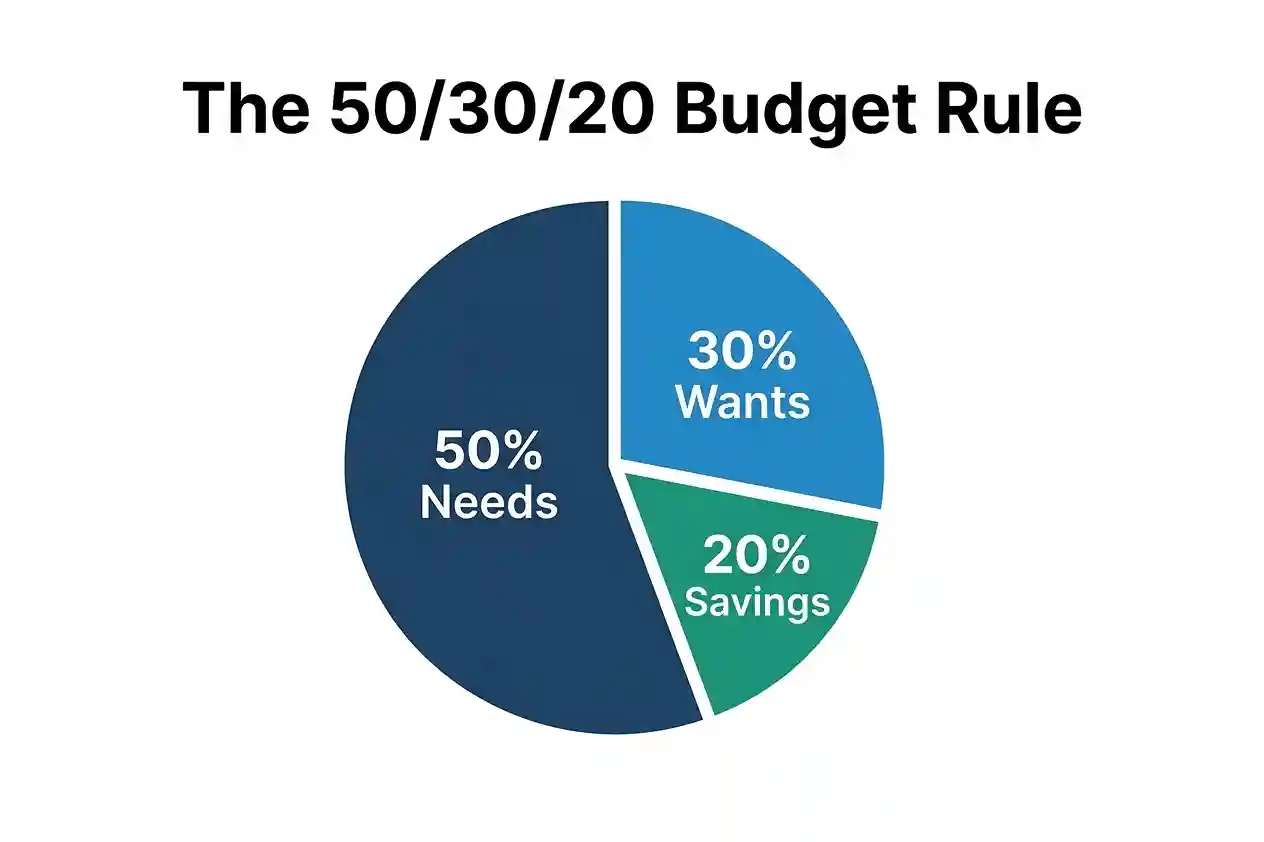
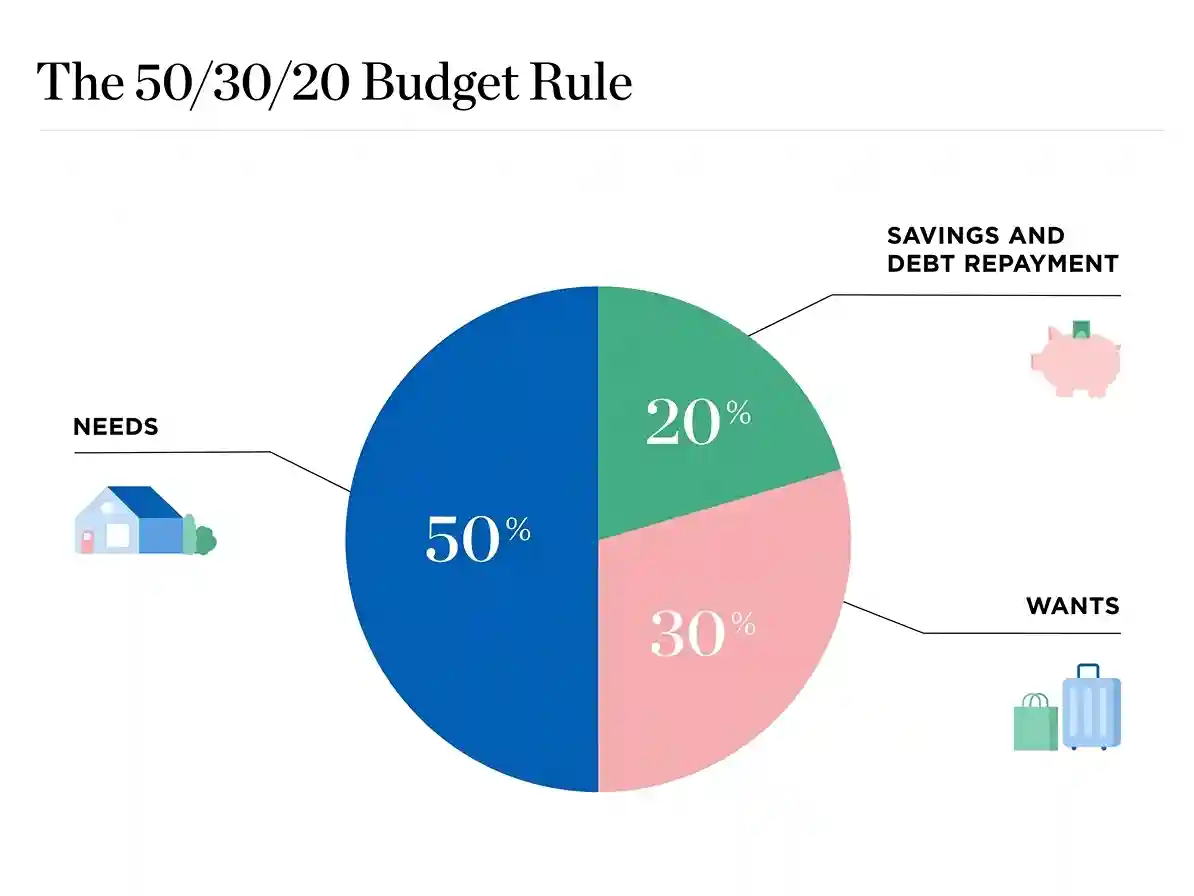
The 50/30/20 budget rule is a straightforward method of dividing your after-tax income into three main categories:
- 50% for Needs (essential expenses)
- 30% for Wants (lifestyle choices)
- 20% for Savings and Investments
This budgeting framework is designed to help you balance your daily expenses while still saving for the future.
How the 50/30/20 Rule Works
1. 50% for Needs
“Needs” are essential expenses that you must pay to maintain your basic standard of living. These include:
- Rent or mortgage
- Utilities (electricity, water, internet)
- Groceries
- Transportation costs
- Insurance and healthcare
- Minimum debt payments
👉 Tip:
If your needs exceed 50% of your income, consider cutting costs by downsizing, cooking at home, or reducing transportation expenses.
- 30% for Wants
“Wants” are non-essential expenses that improve your quality of life. These are optional and flexible.
Examples include:
- Dining out or entertainment
- Travel and vacations
- Gym memberships
- Shopping (clothes, gadgets, accessories)
- Upgrading to premium services
- 20% for Savings and Investments
This category focuses on your financial future. Ideally, you should allocate at least 20% of your income to:
- Emergency fund (3–6 months of expenses)
- Retirement savings
- Investments (stocks, funds, assets)
- Extra debt repayments
👉 Important:
Always prioritize rebuilding your emergency fund if you’ve used it.
Why Saving Matters
Many people struggle with saving consistently. Without a proper plan, it’s easy to overspend and fall into debt.
The 50/30/20 rule ensures that:
- You’re prepared for emergencies
- You build long-term wealth
- You maintain financial stability
Saving early and consistently can make a huge difference in achieving financial independence.
Benefits of the 50/30/20 Budget Rule
✅ Simple and Easy to Follow
No complex calculations—just divide your income into three clear categories.
✅ Better Money Management
You cover essentials, enjoy life, and still save for the future.
✅ Clear Financial Priorities
Ensures your needs are met without overspending.
✅ Encourages Consistent Saving
Helps you build an emergency fund and invest regularly.
✅ Long-Term Financial Security
Supports wealth growth and future planning.
How to Apply the 50/30/20 Rule
Track Your Expenses
Monitor your spending for at least 1–2 months. Categorize everything into needs, wants, and savings.
Understand Your Income
Focus on your net income (after tax)—this is what you actually have to spend.
Identify Essential Costs
Determine which expenses are non-negotiable (housing, food, bills).
Automate Your Savings
Set up automatic transfers to your savings or investment accounts each month.
Stay Consistent
Stick to your budget and review it regularly as your income or lifestyle changes.
Real-Life Example of the 50/30/20 Rule
Let’s say you earn $3,500 per month after tax.
Here’s how your budget would look:
- Needs (50%) → $1,750
- Wants (30%) → $1,050
- Savings (20%) → $700
By following this structure, you ensure:
- Your essentials are covered
- You can still enjoy life
- You’re building financial security
As your income grows, you can adjust these amounts accordingly.
Can You Adjust the 50/30/20 Rule?
Yes! The rule is flexible.
You can modify it based on:
- High cost of living
- Income level
- Financial goals
For example:
- 60/20/20 (higher living costs)
- 50/20/30 (more aggressive saving)
The key is to maintain balance and discipline.
FAQs About the 50/30/20 Rule
Do I use gross or net income?
Use net income (after tax).
Can I use this rule for long-term goals?
Yes. Your 20% savings can include:
- Retirement
- Buying a house
- Education funds
What if my expenses don’t fit the rule?
Adjust the percentages and gradually work toward the ideal balance.
The Bottom Line
The 50/30/20 rule is a simple yet powerful budgeting method that helps you:
- Control your spending
- Save consistently
- Build long-term financial stability
While life comes with unexpected expenses, having a clear plan allows you to stay on track financially—without sacrificing the things you enjoy.