
Nutrition Mistakes Sabotaging Your Health (and How to Fix Them)
Eating healthy is about more than choosing salads or cutting sugar. True nutrition is built on balance, consistency, and understanding what your body needs to function at its best. Unfortunately, many people make common nutrition mistakes without realizing how much these habits can affect energy, digestion, weight, and long-term health.
The good news is that most of these mistakes are easy to fix. By making a few simple adjustments, you can improve your eating habits and support better overall wellness.
Here are the most common nutrition mistakes that may be sabotaging your health — and practical ways to correct them.
1. Skipping Meals, Especially Breakfast
Skipping meals may seem harmless, especially when you’re busy, but it can leave you feeling tired, irritable, and more likely to overeat later in the day.
Why It’s a Problem
- Can cause blood sugar fluctuations
- May lead to cravings and overeating
- Reduces focus and energy
How to Fix It
Start your day with a balanced breakfast that includes:
- Protein (eggs, yogurt, tofu)
- Healthy fats (nuts, seeds, avocado)
- Complex carbs (oats, whole grain toast, fruit)
Quick breakfast ideas:
- Greek yogurt with berries
- Peanut butter toast with banana
- Overnight oats
2. Overeating “Healthy” Foods
Just because a food is healthy doesn’t mean you can eat unlimited amounts. Foods like nuts, nut butter, dried fruit, and avocado are nutritious but also calorie-dense.
Why It’s a Problem
- Excess calories can still lead to weight gain
- Easy to underestimate portion sizes
How to Fix It
- Practice portion control
- Use smaller bowls or measuring spoons
- Pay attention to serving sizes
Healthy eating is about balance, not overindulgence.
3. Not Getting Enough Protein
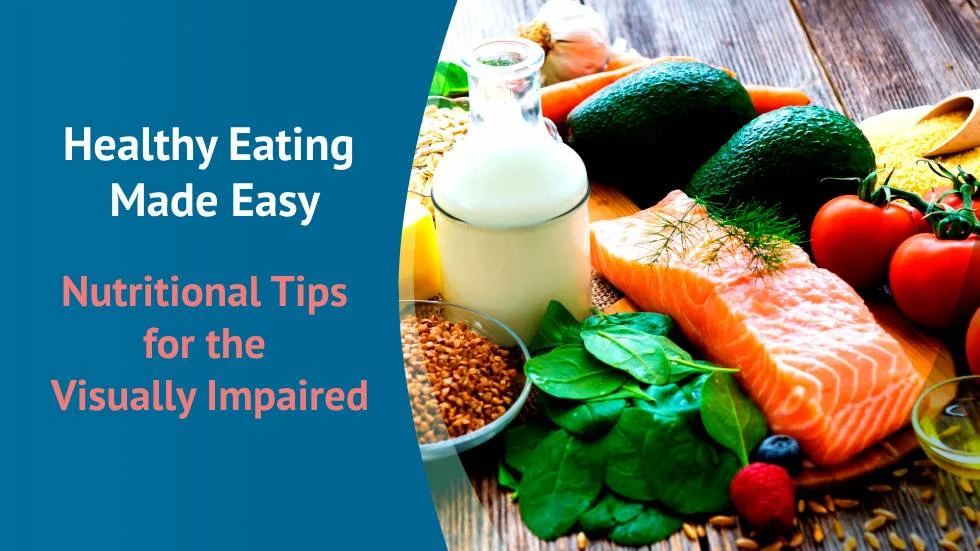
Protein is essential for muscle repair, immune health, and keeping you full. Many people, especially those on vegetarian diets, may not eat enough.
Why It’s a Problem
- Can increase hunger and cravings
- May contribute to low energy
- Can affect muscle maintenance and hair health
How to Fix It
Add protein to every meal:
- Eggs
- Chicken or fish
- Lentils and beans
- Tofu or tempeh
- Greek yogurt
- Nuts and seeds
Smart protein snacks:
- Roasted chickpeas
- Cottage cheese
- Protein smoothies
4. Relying Too Much on Packaged “Health” Foods

Foods labeled “natural,” “low-fat,” or “whole grain” can still be highly processed and packed with hidden sugar, salt, and additives.
Why It’s a Problem
- Can increase sugar and sodium intake
- Often less filling than whole foods
- May lead to poor nutrition over time
How to Fix It
- Read nutrition labels carefully
- Choose foods with simple ingredients
- Eat more fresh, minimally processed meals
Focus on whole foods whenever possible.
5. Drinking Too Many Calories
Sugary drinks can add a surprising amount of extra calories without making you feel full.
Why It’s a Problem
- Causes blood sugar spikes
- May contribute to weight gain
- Often replaces more nutritious choices
Common hidden sources:
- Fruit juice
- Sweetened coffee drinks
- Soft drinks
- Milkshakes
- Energy drinks
How to Fix It
Choose:
- Water
- Sparkling water
- Herbal tea
- Coconut water
Swap juice for whole fruit to get more fiber and feel fuller.
6. Eating Too Fast
Eating too quickly can make it harder for your body to recognize fullness, which may lead to overeating and digestive discomfort.
Why It’s a Problem
- Poor portion control
- Increased bloating or indigestion
- Less enjoyment from meals
How to Fix It
- Chew slowly
- Put utensils down between bites
- Avoid eating while watching TV or scrolling your phone
- Take at least 15–20 minutes for meals
Eating mindfully helps your body and brain stay in sync.
7. Not Drinking Enough Water
Mild dehydration can cause fatigue, headaches, poor digestion, and even hunger-like symptoms.
Why It’s a Problem
- Can lead to low energy
- May cause constipation
- Sometimes mistaken for hunger
How to Fix It
- Aim for 2 to 2.5 liters of water daily
- Drink regularly, not just when thirsty
- Carry a reusable water bottle
- Set hydration reminders if needed
Hydration is one of the easiest ways to support your health.
8. Cutting Out Entire Food Groups
Completely eliminating carbs, fats, or other food groups without a medical reason can create nutrient gaps and make healthy eating harder to maintain.
Why It’s a Problem
- May cause nutrient deficiencies
- Can lower energy levels
- Often leads to unsustainable habits
How to Fix It
Build balanced meals with:
- Complex carbs (oats, brown rice, fruit)
- Healthy fats (olive oil, nuts, seeds)
- Lean protein
- Plenty of vegetables
A sustainable diet includes flexibility.
9. Mindless Snacking
Snacking while bored, stressed, or distracted can lead to unnecessary calorie intake and poor food choices.
Why It’s a Problem
- Easy to overeat without noticing
- Packaged snacks are often high in sugar and salt
- Can interfere with hunger cues
How to Fix It
Choose healthier snacks like:
- Fresh fruit
- Yogurt
- Roasted nuts
- Hummus with veggies
Also:
- Plan snacks ahead of time
- Keep unhealthy snacks out of sight
- Eat only when truly hungry
Final Thoughts
Good nutrition doesn’t require extreme diets or perfect eating. Often, it’s the small daily mistakes that have the biggest impact over time.
By becoming more aware of these common nutrition habits and making simple changes, you can improve your energy, digestion, mood, and long-term health.
Healthy eating is not about restriction — it’s about making smarter choices consistently.