

Saving vs. Investing: Which Is Better for Today’s Generation?
In today’s fast-changing financial landscape, the debate around saving vs. investing has never been more relevant—especially for younger generations navigating rising costs, inflation, and new digital opportunities.
So, which is better: saving or investing?
The answer isn’t as simple as choosing one over the other. Instead, it’s about understanding how each works—and when to use them.
This guide breaks down the differences, pros and cons, and how to build a smart strategy that combines both.What Is Saving?
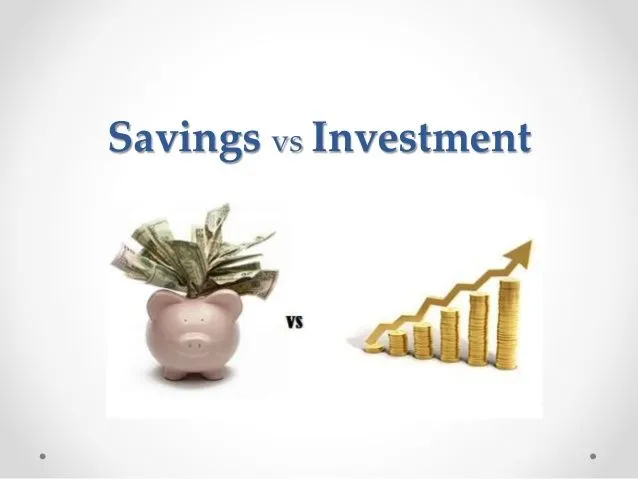
Saving is the practice of setting aside money for future use instead of spending it immediately. It’s the foundation of personal finance and helps you prepare for both planned and unexpected expenses.
Why Saving Matters
Saving helps you:
- Build an emergency fund
- Cover short-term goals (vacations, gadgets, etc.)
- Avoid debt during financial emergencies
- Create financial stability and peace of mind
Typically, savings are stored in low-risk accounts like:
- Savings accounts
- Money market accounts
- Certificates of deposit (CDs)
Pros and Cons of Saving
Pros of Saving
- Financial Security
Provides a safety net during emergencies. - High Liquidity
You can access your money quickly when needed. - Low Risk
Your capital is generally safe and stable. - Ideal for Short-Term Goals
Perfect for expenses within the next 1–3 years. - Encourages Discipline
Helps build better budgeting habits.
Cons of Saving
- Inflation Risk
Your money loses value over time due to rising prices. - Limited Growth
Savings accounts offer relatively low returns. - Opportunity Cost
You may miss out on higher returns from investments. - Underutilized Capital
Large cash reserves may not be working efficiently. - Slow Wealth Building
Saving alone rarely leads to significant wealth.
What Is Investing?
Investing involves putting your money into assets with the goal of generating returns over time. Unlike saving, investing carries risk—but also offers the potential for higher rewards.
Common Investment Options
- Stocks
- Bonds
- Real estate
- Mutual funds
- ETFs (Exchange-Traded Funds)
- Cryptocurrencies
- Alternative assets
Pros and Cons of Investing
Pros of Investing
- Higher Return Potential
Investments can grow significantly over time. - Wealth Creation
Helps build long-term financial independence. - Inflation Protection
Many assets outpace inflation. - Diversification
Spreading investments reduces overall risk. - Passive Income Opportunities
Dividend stocks and real estate can generate income.
Cons of Investing
- Risk of Loss
Markets can be volatile and unpredictable. - Requires Knowledge
Successful investing needs research and strategy. - Emotional Challenges
Fear and greed can lead to poor decisions. - Lower Liquidity (Sometimes)
Some assets aren’t easily converted to cash. - Time Commitment
Managing investments requires ongoing attention.
Saving vs. Investing: Key Differences
| Factor | Saving | Investing |
| Risk Level | Low | Medium to High |
| Returns | Low | Potentially High |
| Liquidity | High | Varies |
| Time Horizon | Short-term | Long-term |
| Purpose | Safety & stability | Growth & wealth building |
When Should You Save?
Saving is the better option when:
- You need an emergency fund (3–6 months of expenses)
- You’re planning for short-term goals
- You want quick access to cash
- You prefer low-risk financial strategies
When Should You Invest?
Investing makes more sense when:
- You’re planning for long-term goals (retirement, wealth building)
- You can tolerate market fluctuations
- You want to grow your wealth faster than inflation
- You already have emergency savings in place
The Best Strategy: Combine Saving and Investing
The smartest financial approach isn’t choosing one—it’s using both.
A Balanced Strategy Might Look Like:
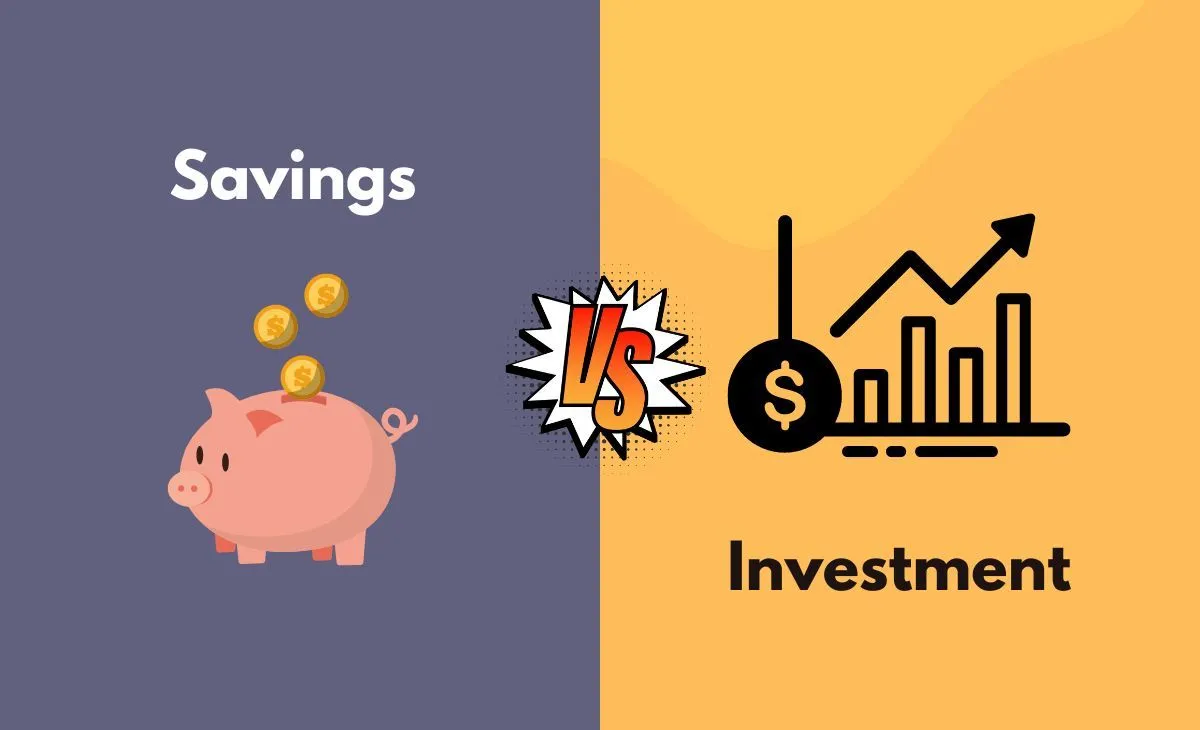
- Save first: Build an emergency fund
- Invest next: Grow your wealth over time
- Adjust over time: Shift strategy based on age and goals
Example:
- 20s–30s: Focus more on investing (higher risk tolerance)
- 40s–50s: Balance saving and investing
- 60+: Shift toward saving and low-risk assets
Why Many People Fail at Investing
Even though investing is powerful, many people struggle due to:
- Lack of financial education
- Emotional decision-making
- Chasing trends or “hot stocks”
- Poor diversification
- Trying to time the market
- Inconsistent investing habits
Success in investing requires discipline, patience, and a long-term mindset.
Final Thoughts: Which Is Better?
So, saving vs. investing—which is better?
Saving is essential for security and short-term needs
Investing is crucial for long-term growth and wealth building
The real key is balance.
By combining both strategies, you can:
- Protect yourself from financial emergencies
- Achieve your short-term goals
- Build long-term wealth
- Stay ahead of inflation